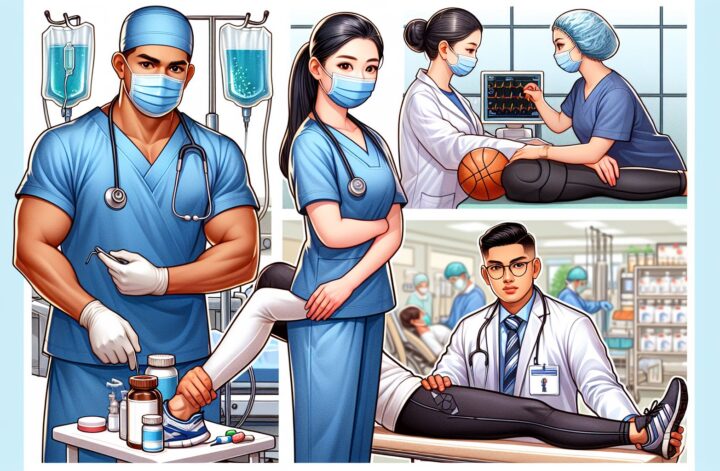
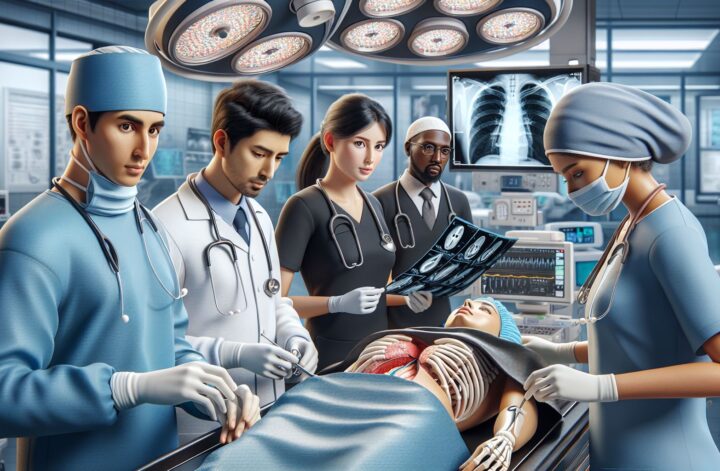
As human beings, our bodies are susceptible to various health issues, big or small, which often require medical attention. When we encounter a health concern, seeking the right type of medical help becomes crucial. Understanding the different types of medical assistance available can assist in making informed decisions about our wellbeing. This article aims to highlight some of the key types of medical help and when to seek them.
Primary Care Physician
A primary care physician (PCP) is often the first point of contact for an individual seeking medical assistance. These healthcare professionals have comprehensive knowledge of general medicine and can diagnose, treat, and manage various medical conditions. They provide routine check-ups, preventative care, and address common ailments like the flu, allergies, and minor injuries.
Specialists
While primary care physicians are adept at handling common health concerns, certain conditions may require the expertise of a specialist. Specialists focus on specific areas of medicine, such as cardiology, dermatology, orthopedics, and neurology, to name a few. When dealing with chronic diseases or complex health issues, your primary care physician may refer you to a specialist for a more specialized examination and treatment.
Emergency Care
In the event of a sudden severe injury or illness, emergency care is essential. Emergency care providers, typically found in hospital emergency departments, are equipped to deal with life-threatening situations. Whether it’s a heart attack, a serious accident, or any condition that requires immediate attention, seeking emergency medical help can be life-saving. It is crucial to remember that emergency care should be reserved for critical situations, as overcrowding emergency departments can hinder the prompt care of those in need.
Urgent Care Centers
Urgent care centers are designed to provide prompt medical attention to non-life-threatening conditions when your primary care physician is unavailable. These facilities offer extended hours, often including weekends, and treat minor injuries, infections, and illnesses that require quick attention. Urgent care centers bridge the gap between primary care and emergency care, ensuring patients receive timely treatment in a convenient setting.
Telemedicine
In this digital age, telemedicine has emerged as a convenient option for seeking medical help remotely. Through phone calls or video chats, patients can consult healthcare professionals for non-emergency medical conditions. Telemedicine is particularly beneficial for minor ailments, routine follow-ups, or seeking medical advice when visiting a clinic is not feasible. It saves time, reduces costs, and offers medical assistance from the comfort of our homes.
Conclusion
Recognizing the various types of medical help available empowers us to make informed decisions regarding our healthcare needs. Primary care physicians serve as the initial stop for common ailments, while specialists cater to exceptional medical conditions. Emergency care aids in critical situations, while urgent care centers provide immediate attention for non-life-threatening issues. Telemedicine, on the other hand, provides remote medical assistance, enhancing accessibility and convenience. By understanding the right kind of medical help needed, we can efficiently navigate through our healthcare journey and lead healthier lives.