
Surveying and Mapping With Drones: Modern Approaches

Planning and executing a survey that covers difficult terrain usually means balancing accuracy, safety, and time. Today, surveying and mapping with drones makes it possible to capture high-resolution aerial data quickly, even in areas that would be challenging for ground crews. These modern solutions are shaping the way professionals in construction, utilities, and security work with maps and geospatial information.
Transforming Surveying Accuracy and Speed
Surveying and mapping with drones has dramatically reduced the time needed for collecting data over large or complex sites. Where traditional ground surveying might take days or weeks, a drone can cover the same ground in hours, capturing detailed images and generating accurate 3D models or orthomosaic maps. This efficiency is especially valuable in construction planning, flood risk assessment, and land development. Drones equipped with RTK or PPK GNSS improve the positional accuracy to within centimeters, meeting the demands of technical and legal documentation. The reduction in manual labor also improves safety on hazardous or remote sites.
Commercial Drone Applications for Inspection and Utilities
Beyond mapping land boundaries, drones have become essential tools for commercial inspection tasks. Drone inspection is now common practice for monitoring infrastructure such as bridges, pipelines, railways, and electrical grids. Instead of sending teams to climb towers or work near active power lines, operators can launch a drone to collect visual and thermal imagery. This approach minimizes risk and identifies issues like corrosion, overheating, or structural damage before they escalate. For utilities, drone utility inspection means faster fault detection, fewer outages, and more efficient maintenance scheduling.
- High-voltage line checks without human exposure
- Pipeline leak detection using thermal sensors
- Solar panel farm assessments for damaged cells
Each of these applications benefits from drones’ ability to capture and transmit data almost in real time, speeding up the decision-making process for repairs and maintenance.
Surveillance and Security Enhancements With Drone Technology
Drones are also changing how organizations approach security. Unlike a stationary camera system, a surveillance drone can patrol perimeters, monitor remote locations, and track moving assets. Features such as infrared sensors, zoom cameras, and automated flight paths enable a single operator to oversee a wide area, reducing the need for large on-site security teams. Drone security is increasingly used at critical infrastructure sites, events, and industrial facilities where rapid response and broad situational awareness are priorities.
Choosing Between UAVs and Drones: What’s the Difference?
Many professionals encounter the terms “UAV” and “drone” when researching new mapping tools. While both refer to unmanned aerial vehicles, the word “drone” typically covers a wider range of devices, including basic consumer models and sophisticated commercial platforms. UAV usually refers to aircraft that operate autonomously or are remotely piloted for specialized applications. For most mapping and inspection needs, the technology overlap means either term is accurate, but commercial drones often come with advanced sensors and integration options tailored for enterprise workflows.
Where to Deepen Your Understanding of Drone Mapping
After exploring the main benefits and applications of commercial drones in surveying, you may want to dive into the technical details, such as photogrammetry software, flight planning tips, or compliance with local airspace regulations. Look for comprehensive guides on drone data processing, or consider detailed case studies that document successful drone mapping across different industries. These resources will help you select the right hardware and streamline your workflow for the most reliable results.
Connecting with Top UK-Based Influencer Marketing Firms

In an era where digital marketing reigns supreme, the influence wielded by social media personalities can literally transform your brand’s reach and engagement. Connecting with UK-based influencer marketing firms can be a game changer for businesses looking to leverage this dynamic form of promotion. These agencies offer the expertise and strategic frameworks required to maximize returns on influencer campaigns in a bustling market. Let’s delve into the essential aspects of making the most of influencer marketing partnerships in the UK.
Understanding the UK Influencer Marketing Landscape
The UK’s influencer marketing sector thrives on diverse niches and a robust digital culture. Understanding this landscape is vital for businesses seeking to tap into its potential. London, Manchester, and Edinburgh are bustling hubs for creative talents and agencies alike, each offering unique specializations. Recognizing the regional strengths can help tailor campaigns that resonate with local audiences and capitalize on cultural nuances.
- London: Known for its cosmopolitan appeal, London is home to influencers with a global reach.
- Manchester: Often associated with music and sports influencers, Manchester offers a distinct edge in entertainment niches.
- Edinburgh: With its rich history and cultural festivals, Edinburgh provides opportunities in travel, lifestyle, and culture sectors.
Choosing the Right Influencer Marketing Firm
Selecting a partner agency requires thorough evaluation to ensure they align with your brand’s objectives and audience. Here’s what to consider when choosing from top UK-based influencer marketing firms:
- Industry Expertise: Opt for an agency familiar with your industry’s trends and challenges to craft targeted and effective campaigns.
- Strategic Approach: Evaluate their methodology in selecting influencers and how they plan to measure campaign success.
- Portfolio and Case Studies: Review their past work to determine their creativity and effectiveness in delivering results.
- Network of Influencers: A robust and diverse network is crucial for accessing various audiences and expanding reach.
Benefits of Partnering with UK Influencer Marketing Firms
Teaming up with a proficient UK-based influencer marketing agency can unlock numerous advantages for your brand:
- Targeted Campaigns: Agencies leverage data-driven insights to connect brands with the right influencers and audiences.
- Creative Collaboration: They foster partnerships that stimulate innovative content and engagement tactics.
- Efficient Resource Management: Outsourcing influencer marketing allows brands to focus on core operations while experts handle promotional efforts.
- Compliance and Legality: These firms ensure campaigns adhere to UK advertising standards and regulations.
Realizing the Full Potential of Influencer Partnerships
To fully benefit from influencer collaborations, brands should actively participate in the planning and execution of campaigns. Regular communication with the marketing firm ensures alignment with brand values and messaging, while feedback loops help in refining strategies. Moreover, tracking and adapting to evolving trends ensures continued engagement and relevance in the digital sphere.
A New Dawn for Brand Influence
The digital age has paved the way for unprecedented opportunities in influencer marketing, placing brands directly in the path of their target audiences. By connecting with UK-based influencer marketing firms, businesses can harness the power of social influence to drive engagement, build brand loyalty, and achieve significant ROI. This new dawn of brand influence promises exciting possibilities for those ready to innovate and collaborate in the ever-evolving landscape of digital marketing.
Understanding the Different Types of Medical Help
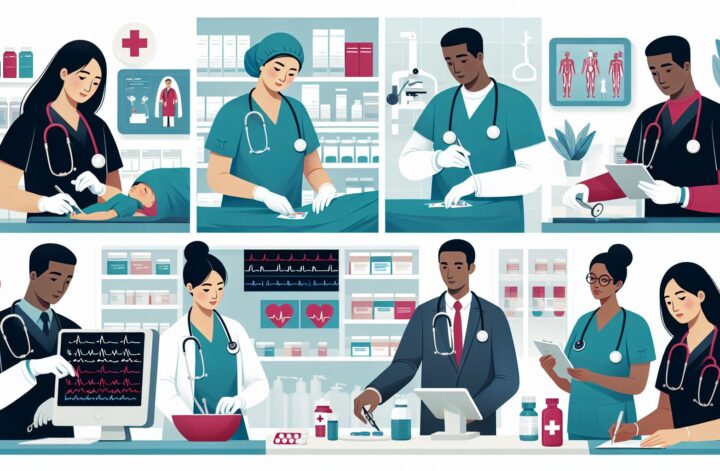
When it comes to seeking medical help, it’s important to understand the various options available to you. From primary care physicians to specialists, there are different types of medical professionals that can address your healthcare needs. In this article, we will break down the different types of medical help available and how they can benefit you.
Primary Care Physician
At the foundation of healthcare is a primary care physician (PCP). This healthcare provider is often your first point of contact for non-emergency medical issues. They can diagnose and treat common ailments, provide routine screenings, manage chronic conditions, and refer you to specialists when needed. Building a relationship with a PCP is key to maintaining your overall health and well-being.
- https://www.opendata.nhs.scot/fr/user/acheteradderallsansordonnance
- https://www.opendata.nhs.scot/fr/user/achetertramadolsansordonnance
- https://www.opendata.nhs.scot/fr/user/acheterxanaxsansordonnance
- https://www.opendata.nhs.scot/fr/user/acheterzolpidemsansordonnance
- https://www.opendata.nhs.scot/fr/user/acheterviagrasansordonnance
- https://www.opendata.nhs.scot/fr/user/achetercialissansordonnance
- https://www.opendata.nhs.scot/fr/user/acheterritalinsansordonnance
- https://www.opendata.nhs.scot/fr/user/acheterdiazepamsansordonnance
- https://www.opendata.nhs.scot/fr/user/acheterlorazepamsansordonnance
- https://www.opendata.nhs.scot/fr/user/acheterdapoxetinesansordonnance
Specialists
Specialists are healthcare providers who have focused training in a specific area of medicine. They are experts in their field and can offer advanced care for complex medical conditions. Some common types of specialists include cardiologists (heart), dermatologists (skin), gastroenterologists (digestive system), and oncologists (cancer). If you have a specific health concern that requires specialized care, your PCP may refer you to a specialist for further evaluation and treatment.
Urgent Care
Urgent care centers are walk-in clinics that provide medical care for non-life-threatening conditions that require immediate attention. They are a convenient option for when you need medical help outside of regular office hours or cannot get an appointment with your PCP. Urgent care centers can treat a wide range of conditions, from minor injuries to infections, without the long wait times of an emergency room.
Emergency Room
For life-threatening medical emergencies, the emergency room is the place to go. Emergency rooms are equipped to handle serious injuries, sudden illnesses, and other critical situations that require immediate medical intervention. If you or someone you know is experiencing symptoms such as chest pain, difficulty breathing, severe bleeding, or loss of consciousness, do not hesitate to go to the nearest emergency room or call 911 for help.
Telehealth
Telehealth is a growing trend in healthcare that allows patients to receive medical care remotely through phone calls, video chats, or online messaging. This option is especially convenient for those who may have difficulty accessing traditional healthcare services due to distance, mobility issues, or busy schedules. Telehealth can be used for consultations, follow-up appointments, prescription refills, and more.
In conclusion, understanding the different types of medical help available can empower you to make informed decisions about your healthcare needs. Whether you are seeking routine care from a primary care physician, specialized treatment from a specialist, or immediate attention from an urgent care or emergency room, knowing your options can help you navigate the healthcare system effectively. Remember, it’s important to prioritize your health and seek medical help when needed.
Understanding the Different Types of Medical Help

When it comes to seeking medical assistance, there are various options available, each serving a specific purpose. From primary care providers to specialists, understanding the different types of medical help can help ensure you get the appropriate care for your unique needs.
Primary Care Providers
Primary care providers, such as family doctors, internists, and pediatricians, are typically the first point of contact for medical care. They focus on preventing, diagnosing, and treating a wide range of common illnesses and conditions. These providers offer routine check-ups, screenings, vaccinations, and basic medical care. They also coordinate care with specialists when needed.
Emergency Room
Emergency rooms provide immediate medical care for life-threatening conditions, severe injuries, and medical emergencies that require prompt attention. They are staffed with a team of healthcare professionals trained to handle critical situations and provide urgent care. If you have a medical emergency, dial 911 or go to the nearest emergency room.
Urgent Care
Urgent care centers offer walk-in medical services for non-life-threatening conditions that require prompt attention but do not warrant a visit to the emergency room. They provide quick and convenient care for illnesses like flu symptoms, minor injuries, and infections. Urgent care centers typically have extended hours and are a good option when your primary care provider is not available.
Specialists
Specialists are healthcare providers who have advanced training in a specific area of medicine. They focus on diagnosing and treating complex or specialized conditions in areas such as cardiology, oncology, neurology, and orthopedics. If you have a medical issue that requires expert care, your primary care provider may refer you to a specialist for further evaluation and treatment.
Telemedicine
Telemedicine involves using technology to provide remote healthcare services, such as virtual visits with healthcare providers, online consultations, and remote monitoring of patients. This type of medical help is convenient for minor health concerns, follow-up appointments, and managing chronic conditions from the comfort of your home.
Mental Health Providers
Mental health providers, including psychiatrists, psychologists, and counselors, specialize in diagnosing and treating mental health disorders. They offer therapy, counseling, medication management, and other interventions to address emotional and psychological challenges. Seeking help from a mental health provider is important for maintaining overall well-being.
In conclusion, understanding the different types of medical help can empower you to make informed decisions about your healthcare. Whether you need routine care from a primary care provider, specialized treatment from a specialist, or urgent attention from an urgent care center, knowing your options can help you navigate the healthcare system effectively. Remember to always seek appropriate medical help when needed to ensure optimal health and well-being.
Understanding the Different Types of Medical Help
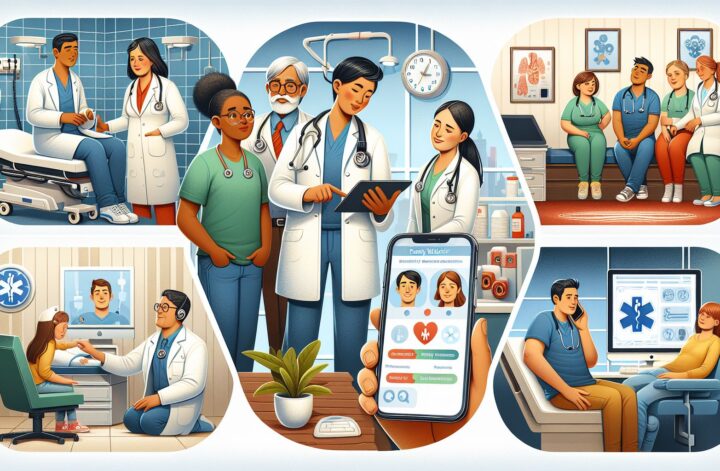
When it comes to seeking medical treatment, it’s important to understand that there are various types of medical help available depending on the nature of your illness or injury. From primary care physicians to specialists, emergency rooms to urgent care centers, each type of medical care serves a unique purpose in meeting the diverse health needs of individuals. In this article, we will explore the different types of medical help and when it is appropriate to seek them out.
Primary Care Physicians
Primary care physicians are often the first point of contact for individuals seeking medical care. These healthcare providers are trained to diagnose and treat a wide range of common health issues, as well as provide preventive care such as vaccinations and screenings. Primary care physicians can help manage chronic conditions, provide referrals to specialists, and coordinate care among different healthcare providers.
Specialists
Specialists are healthcare providers who have received additional training in a specific area of medicine. Examples of specialists include cardiologists, dermatologists, neurologists, and oncologists. If you have a complex or rare medical condition that requires specialized treatment, your primary care physician may refer you to a specialist for further evaluation and care.
Emergency Rooms
Emergency rooms are for serious and life-threatening medical emergencies such as heart attacks, strokes, severe injuries, or accidents. If you are experiencing a medical emergency, it’s crucial to go to the nearest emergency room or call 911 for immediate medical attention. The emergency room is equipped to provide critical care and stabilize patients in need of urgent medical treatment.
Urgent Care Centers
Urgent care centers are walk-in clinics that provide medical care for conditions that require prompt attention but are not life-threatening. Examples of conditions commonly treated at urgent care centers include minor injuries, infections, and flu-like symptoms. If you cannot get an appointment with your primary care physician or need care outside of regular office hours, an urgent care center can provide timely and convenient medical help.
In conclusion, understanding the different types of medical help available can help you make informed decisions about seeking appropriate care for your health needs. Whether you visit your primary care physician for routine check-ups, consult a specialist for specialized treatment, go to the emergency room for urgent medical emergencies, or utilize an urgent care center for prompt attention to non-life-threatening conditions, it’s essential to know where to turn for the right type of medical help. By working with healthcare providers to address your health concerns effectively, you can receive the care and support you need to maintain your well-being.
Exploring the Different Types of Medical Help

When it comes to seeking medical assistance, there are numerous options available depending on the type and severity of the issue at hand. From primary care physicians to specialized healthcare providers, understanding the different types of medical help can ensure that individuals receive appropriate treatment. Let’s explore the various options for medical assistance.
Primary Care Physicians
Primary care physicians serve as the first point of contact for individuals seeking medical help. They are typically general practitioners who provide routine check-ups, diagnose common illnesses, and manage chronic conditions. Primary care physicians can also refer patients to specialists for further evaluation and treatment if necessary.
Specialists
Specialists are healthcare providers who have advanced training in a specific area of medicine. These may include cardiologists, dermatologists, oncologists, and more. Individuals are typically referred to specialists by their primary care physician for more in-depth evaluation and treatment of specific conditions or diseases.
Urgent Care Centers
Urgent care centers are a convenient option for individuals who require medical attention for non-life-threatening conditions outside of regular office hours. These facilities are equipped to handle a wide range of medical issues, such as minor injuries, infections, and flu symptoms. Urgent care centers are typically more cost-effective and have shorter wait times than emergency rooms.
Emergency Rooms
Emergency rooms provide care for individuals experiencing life-threatening medical emergencies, such as heart attacks, strokes, severe injuries, and other critical conditions. They are open 24/7 and are equipped to handle a wide range of medical emergencies. If you or someone you know is facing a life-threatening situation, it is essential to seek immediate medical attention at an emergency room.
Telemedicine
Telemedicine offers the convenience of consulting with healthcare providers remotely, using technology such as video calls and phone consultations. This option is ideal for non-emergency medical issues, follow-up appointments, and prescription refills. Telemedicine can be a cost-effective and time-saving option for individuals with busy schedules or limited access to healthcare facilities.
In conclusion, understanding the various types of medical help available can help individuals make informed decisions when seeking care for their health needs. Whether it’s scheduling a routine check-up with a primary care physician or seeking urgent care for a minor injury, knowing where to turn for medical assistance is crucial. By exploring the different avenues for medical help, individuals can prioritize their health and well-being effectively.
Different Types of Medical Help

When it comes to seeking medical assistance, many people are unaware of the various types of services available. From primary care to specialized treatment, the healthcare industry offers a wide range of options to cater to individuals’ needs. In this article, we will explore the different types of medical help that are available to patients.
Primary Care
Primary care is often the first point of contact for individuals seeking medical help. Primary care providers, such as family doctors, internists, and pediatricians, offer a range of services including preventive care, routine check-ups, and treatment for common illnesses. These healthcare professionals can also refer patients to specialists if needed.
Specialty Care
Specialty care involves healthcare providers who have advanced training in a specific area of medicine. This could include cardiologists, neurologists, oncologists, and many others. Patients are usually referred to specialists by their primary care providers when they require expertise in a particular medical condition or treatment.
Emergency Care
Emergency care is provided in hospitals and urgent care centers for patients requiring immediate medical attention due to severe or life-threatening conditions. Emergency care providers are trained to handle critical situations and provide stabilizing treatment before patients can be transferred to other departments for further care.
Mental Health Services
Mental health services offer support and treatment for individuals experiencing mental health issues such as depression, anxiety, and mood disorders. This can include therapy, counseling, medication management, and other interventions to improve mental well-being. Psychologists, psychiatrists, and social workers are often involved in providing mental health services.
Rehabilitation Services
Rehabilitation services are designed to help individuals recover from injuries, surgeries, or chronic conditions. Physical therapists, occupational therapists, and speech therapists work with patients to improve their physical and cognitive functions through targeted exercises, therapy sessions, and assistive devices.
Home Health Care
Home health care services bring medical professionals to patients’ homes to provide care and support in their own environment. This can include nursing care, physical therapy, and assistance with daily activities for individuals who are unable to travel to healthcare facilities.
In conclusion, the healthcare industry offers a wide range of medical help options to cater to individuals’ diverse needs. From primary care to emergency care, mental health services, and rehabilitation services, patients have access to a variety of healthcare professionals and facilities to address their medical concerns. It is important for individuals to be aware of the different types of medical help available and to seek appropriate care based on their specific needs.
Exploring Different Types of Medical Help

Medical help comes in various forms, each with its own unique purpose and benefits. It is important to understand the different types of medical help available in order to make informed decisions about your health care. In this article, we will explore some of the most common forms of medical help and discuss their individual roles in promoting overall well-being.
Primary Care
Primary care is often the first point of contact for individuals seeking medical assistance. Primary care providers, such as family doctors, pediatricians, and internists, are trained to diagnose and treat a wide range of health conditions. They are also responsible for providing preventive care, such as vaccinations, screenings, and health education. Primary care plays a crucial role in managing chronic conditions and coordinating care with specialists when necessary.
Urgent Care
Urgent care facilities are designed to provide medical assistance for non-life-threatening conditions that require prompt attention. These facilities are typically open after regular business hours and on weekends, making them a convenient option for individuals who need immediate care but do not require a visit to the emergency room. Urgent care providers can treat a variety of conditions, such as minor injuries, infections, and illnesses, and can also provide diagnostic services, such as X-rays and lab work.
Emergency Care
Emergency care is reserved for situations that require immediate medical attention due to a life-threatening condition or severe injury. Emergency rooms are equipped to handle a wide range of medical emergencies, including heart attacks, strokes, and traumatic injuries. Emergency care providers are trained to stabilize patients in critical condition and initiate life-saving interventions. It is important to seek emergency care if you or someone you know is experiencing symptoms of a medical emergency.
Specialty Care
Specialty care refers to medical services provided by healthcare professionals who have advanced training in a specific area of medicine. Specialists, such as cardiologists, oncologists, and neurologists, focus on diagnosing and treating complex health conditions within their specialized field. Patients are typically referred to specialists by their primary care provider for further evaluation and management. Specialty care plays a critical role in providing advanced treatment options for patients with specific health needs.
In conclusion, there are various types of medical help available to address a wide range of healthcare needs. From primary care providers who offer comprehensive care for routine health concerns to emergency care providers who deliver rapid treatment for life-threatening conditions, each form of medical assistance plays a crucial role in promoting overall well-being. By understanding the different types of medical help and when to seek each type of care, individuals can make informed decisions about their health and well-being.
Understanding the Different Types of Medical Help
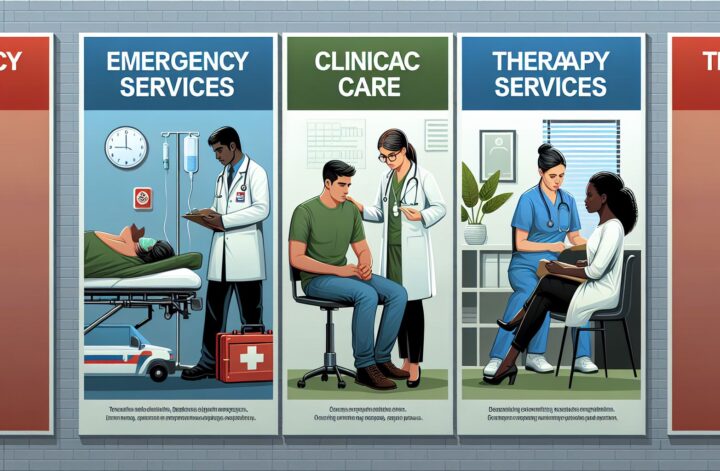
When it comes to seeking medical help, there are various options available depending on the severity of the condition and the individual’s needs. From primary care physicians to specialists and emergency services, it’s important to understand the different types of medical help to ensure you receive the appropriate care in a timely manner.
Primary Care Physicians
Primary care physicians are usually the first point of contact for medical care. They provide general healthcare services, such as annual check-ups, vaccinations, and treatment for common illnesses like colds and flu. They also help manage chronic conditions like diabetes and high blood pressure. If you have a non-emergency medical issue, your primary care physician is the best place to start.
Specialists
If you have a specific medical condition that requires specialized care, you may be referred to a specialist. Specialists have advanced training and expertise in a particular area of medicine, such as cardiology, oncology, or orthopedics. They can provide more in-depth evaluation and treatment for complex health issues.
Urgent Care Centers
Urgent care centers are a good option for medical issues that require immediate attention but are not life-threatening. These facilities are equipped to handle a wide range of medical conditions, such as minor injuries, infections, and illnesses. They often have extended hours and do not require an appointment, making them a convenient choice for non-emergency situations.
Emergency Rooms
In cases of life-threatening emergencies, such as severe injuries, heart attacks, or strokes, it’s crucial to go to the nearest emergency room or call 911. Emergency rooms are staffed with healthcare providers who are trained to handle critical situations and provide urgent medical care around the clock.
Telehealth Services
Telehealth services have become increasingly popular, especially during the COVID-19 pandemic. These services allow individuals to consult with healthcare providers remotely through video calls or phone calls. Telehealth can be a convenient option for minor illnesses, medication refills, and mental health support.
Mental Health Professionals
For mental health concerns, it’s important to seek help from a mental health professional, such as a psychiatrist, psychologist, or licensed therapist. These providers can offer therapy, counseling, and medication management for conditions like depression, anxiety, and PTSD.
In conclusion, understanding the different types of medical help available can help you navigate the healthcare system more effectively and receive the care you need. Whether you need primary care services, specialized treatment, or emergency care, it’s important to know where to turn for the appropriate level of care for your health needs. Remember to prioritize your health and seek help when you need it.
Exploring the Different Types of Medical Help
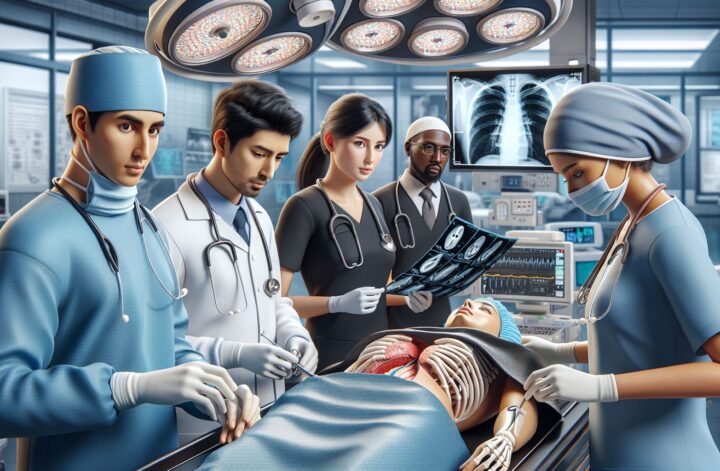
When it comes to seeking medical assistance, it can sometimes be overwhelming to navigate through the various options available. From primary care physicians to specialists to urgent care centers, there are many different types of medical help to choose from. In this article, we will explore the different types of medical assistance that are available to help you make an informed decision about your healthcare needs.
Primary Care Physicians
Primary care physicians are often the first point of contact for individuals seeking medical care. These healthcare professionals are trained to provide general medical care and can address a wide range of health issues. They are responsible for diagnosing and treating common illnesses, managing chronic conditions, and promoting overall wellness. Primary care physicians also play a crucial role in coordinating care with specialists and other healthcare providers.
Specialists
Specialists are healthcare professionals who have received additional training in a specific area of medicine. These physicians focus on treating conditions within their area of expertise, such as cardiology, oncology, or orthopedics. When a primary care physician determines that a patient requires specialized care, they will often refer them to a specialist for further evaluation and treatment. Specialists play a crucial role in diagnosing and treating complex or rare medical conditions.
Urgent Care Centers
Urgent care centers provide medical assistance for patients who require immediate attention but do not have a life-threatening emergency. These facilities are equipped to handle a wide range of non-life-threatening conditions, such as minor injuries, illnesses, and infections. Urgent care centers offer convenient access to medical care without the long wait times typically associated with emergency rooms. They are a cost-effective alternative for patients who need prompt medical attention outside of regular office hours.
Emergency Rooms
Emergency rooms are designed to provide medical help for patients experiencing life-threatening emergencies. These facilities are equipped to handle serious injuries, severe illnesses, and other critical medical situations. Emergency room physicians and staff are trained to provide rapid and effective care in high-stress environments. Patients should seek medical assistance in an emergency room if they are experiencing symptoms such as chest pain, difficulty breathing, or severe trauma.
In conclusion, there are several different types of medical help available to address a variety of healthcare needs. Whether you are seeking routine care from a primary care physician, specialized treatment from a specialist, prompt attention at an urgent care center, or immediate care in an emergency room, it is important to understand your options and choose the appropriate level of care for your specific situation. By being informed about the different types of medical assistance available, you can make the best decisions for your health and well-being.