When it comes to seeking medical help, it’s important to be aware of the various options available. From primary care physicians to specialists, there are different types of medical professionals who can provide the care you need. Let’s explore and understand the different types of medical help to ensure you receive the appropriate medical attention for your specific needs.
1. Primary Care Physicians
Primary care physicians (PCPs) are often the first point of contact for patients seeking medical assistance. They are general practitioners who specialize in family medicine, internal medicine, or pediatrics. These doctors are skilled in diagnosing and treating a wide range of common illnesses and injuries. They also provide preventive care, routine check-ups, and vaccinations. PCPs build long-term relationships with patients, making them an essential part of overall healthcare.
2. Specialists
Specialists are medical professionals who focus on a particular branch of medicine. When a PCP refers a patient to a specialist, it is usually because the patient requires specific expertise or complex medical care. Specialists can include cardiologists, neurologists, dermatologists, orthopedic surgeons, and many more. They possess in-depth knowledge and experience to diagnose and treat complex medical conditions related to their respective fields.
3. Urgent Care Centers
Urgent care centers are facilities that provide immediate medical attention for non-life-threatening conditions. These centers are typically open on weekends and evenings, allowing patients to seek medical help when their PCP’s office is closed. Urgent care centers have licensed healthcare professionals who can treat illnesses like minor infections, sprains, flu symptoms, and minor wounds. They are also equipped for diagnostic procedures and X-rays.
4. Emergency Rooms
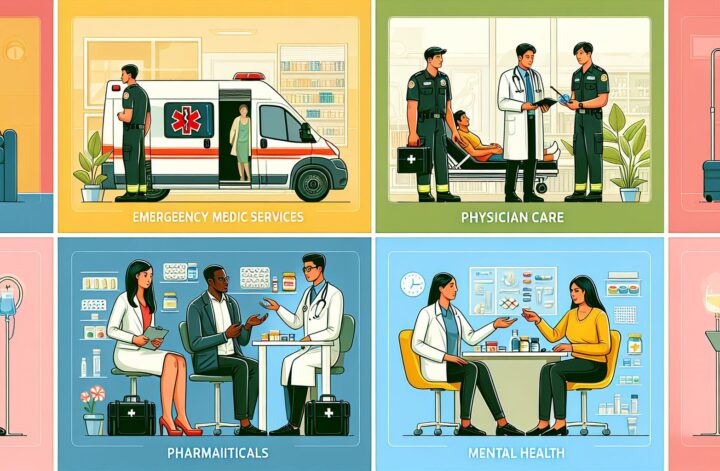
Emergency rooms (ERs) are designed to handle life-threatening and serious medical conditions that require immediate attention. ERs are open 24/7 and have specialized medical staff, including emergency physicians, nurses, and surgeons. They can handle a wide range of critical situations, such as heart attacks, major trauma, severe allergic reactions, and stroke. It’s important to remember that ERs should only be utilized for true emergencies to ensure resources are available for those in dire need.
5. Telemedicine
In recent years, telemedicine has gained popularity as a convenient way to access medical help. Through the use of technology, telemedicine allows patients to consult with healthcare providers remotely. This option is particularly useful for minor illnesses, prescription refills, mental health support, and follow-up visits. Telemedicine offers a way to receive medical advice and prescriptions without physically visiting a doctor’s office, saving time and effort.
Conclusion
With the different types of medical help available, it’s crucial to understand when and where to seek appropriate care. While primary care physicians are the go-to for routine care, specialists delve into specific health concerns. Urgent care centers and emergency rooms are there for non-emergencies and life-threatening situations, respectively. The growing popularity of telemedicine has also opened up new possibilities for accessing medical help remotely. Remember, choosing the right type of medical help can make a significant difference in receiving efficient and effective care.