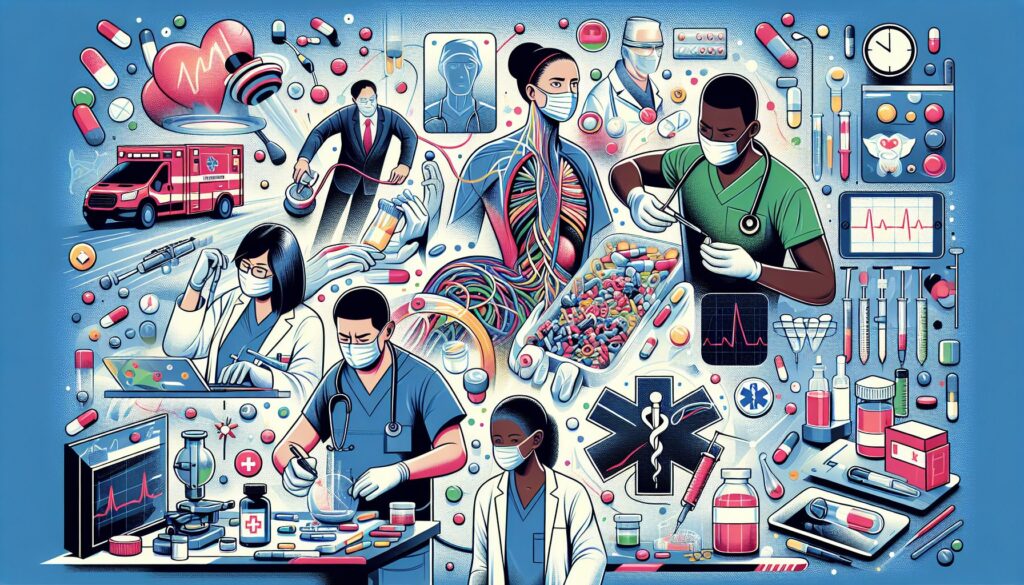
Medical help comes in various forms, each tailored to different needs and situations. From routine check-ups to emergency care, it is important to understand the different types of medical assistance available to ensure you receive the most appropriate care. Let’s explore some common forms of medical help and their distinctive purposes.
Routine Check-ups and Preventive Care
The foundation of good health lies in routine check-ups and preventive care. Regular visits to your primary care physician or family doctor allow for the early detection and treatment of potential health issues. These appointments often include physical examinations, screenings, vaccinations, and discussions about your overall well-being. By proactively addressing any concerns and maintaining a healthy lifestyle, you can prevent many diseases or catch them in their early stages, increasing the chances of successful treatment.
Specialist Care
When faced with specific health conditions or complex medical issues, it may be necessary to consult a specialist. These healthcare professionals have focused training and expertise in specific areas of medicine, such as cardiology, neurology, dermatology, or orthopedics. Specialists combine their deep knowledge with advanced diagnostic tools and treatment options to provide specialized care for their patients. Your primary care physician will often refer you to a specialist when your condition requires investigation or management beyond their scope of practice.
Urgent Care
Urgent care centers bridge the gap between routine care and emergency rooms, handling non-life-threatening medical issues that require prompt attention. These facilities are open outside regular office hours and are suitable for situations that cannot wait for a scheduled appointment but do not warrant a visit to the emergency room. Examples of conditions treated in urgent care include minor injuries, fevers, sinus infections, and flu-like symptoms.
Emergency Care
In cases of severe or life-threatening situations, emergency care is a vital resource. Emergency rooms are equipped to handle urgent medical conditions that require immediate attention, such as heart attacks, major trauma, severe bleeding, or breathing difficulties. Highly trained emergency medical staff work around the clock in these facilities, providing critical care and helping stabilize patients before transferring them to appropriate hospital departments, if necessary.
Telemedicine
The advent of technology has introduced a new form of medical assistance: telemedicine. This approach enables healthcare professionals to provide remote care and medical advice utilizing various communication tools like video conferencing or phone calls. Telemedicine is particularly useful for minor health concerns, follow-up appointments, prescription refills, or when physical distance makes visiting a healthcare provider challenging. By minimizing the need for in-person visits, telemedicine enhances convenience and accessibility to medical help, especially for individuals in rural areas or with limited mobility.
Conclusion
Medical help comes in various forms, each designed to address specific healthcare needs. Whether it’s routine check-ups, specialist care, urgent care, emergency assistance, or the convenience of telemedicine, understanding the different types of medical help available empowers individuals to make informed decisions about their health. By seeking appropriate and timely medical assistance, you can ensure the best possible care for yourself and your loved ones. Remember, proactive healthcare is the key to a healthier future.