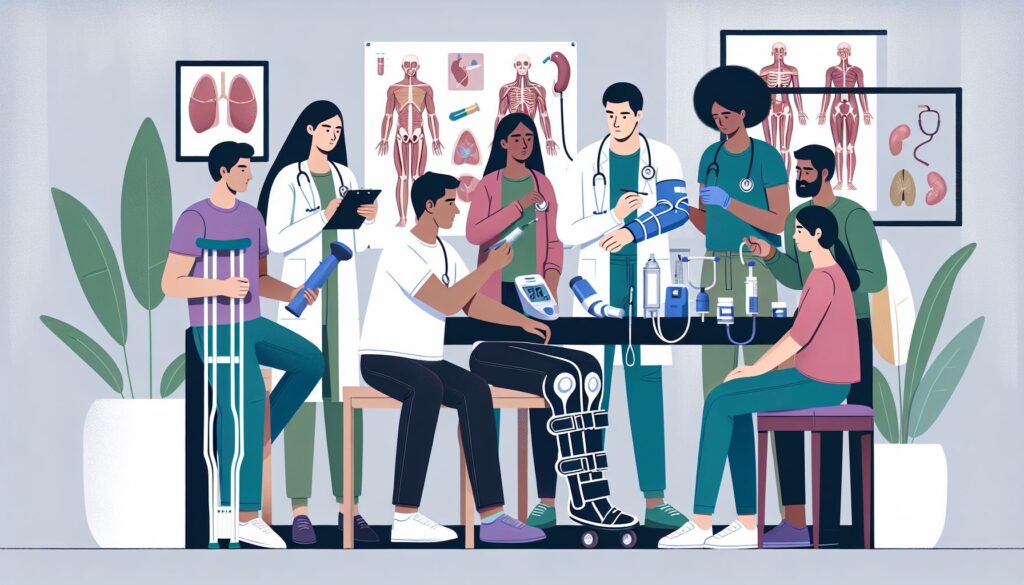
Medical assistance comes in various forms, each playing a vital role in promoting and maintaining good health. Whether it’s preventive care, primary care, or specialized treatment, understanding the different types of medical help available is crucial for making informed decisions about our well-being. In this article, we will explore some of the primary categories of medical assistance and their significance in our lives.
Primary Care
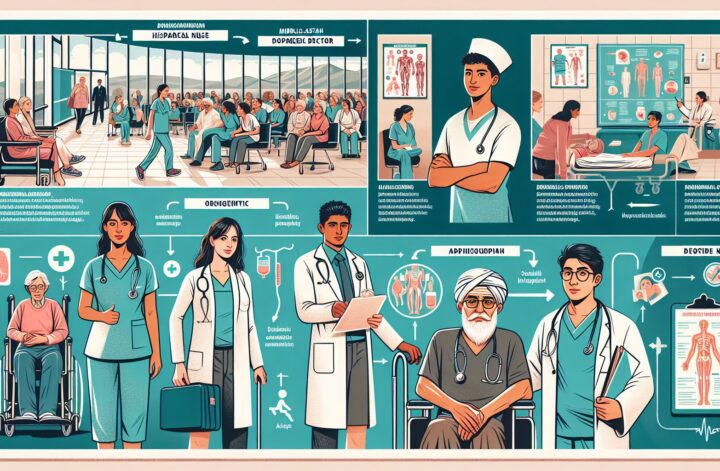
Primary care serves as the foundation of medical assistance for individuals of all ages. Typically, primary care providers, such as general practitioners or family physicians, are the first point of contact for a wide range of health issues. These dedicated experts offer a holistic approach to healthcare, providing preventive services, routine check-ups, vaccinations, and treatment for common illnesses. Primary care physicians act as coordinators for their patients’ overall health and can refer them to specialists if necessary.
Specialized Care
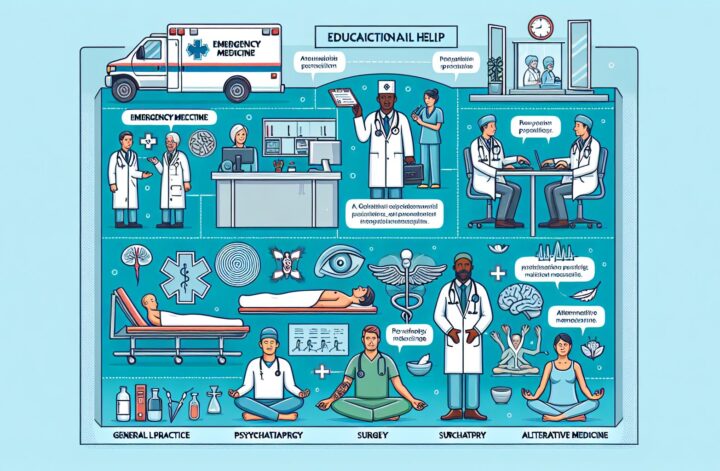
Specialized care focuses on specific health conditions or organs, offering advanced medical expertise and treatment options. Specializations can include cardiology, dermatology, oncology, orthopedics, neurology, and many others. Patients who require specialized care are typically referred to specialists by their primary care providers.
Specialists possess in-depth knowledge and training related to their particular field, allowing them to diagnose and treat complex medical conditions effectively. By dedicating their expertise to specific healthcare aspects, specialists ensure patients receive specialized attention tailored to their unique medical needs.
Urgent Care
In situations that require immediate medical attention but are not severe enough to warrant an emergency room visit, urgent care facilities play a vital role. Urgent care centers are open beyond regular office hours, offering prompt medical assistance for non-life-threatening conditions like minor injuries, infections, or sudden illnesses. Conveniently located in many areas, urgent care centers are an excellent option when primary care physicians are unavailable or fully booked.
Emergency Care
When faced with a life-threatening situation or severe medical emergency, calling emergency services or rushing to the nearest emergency room is imperative. Emergency departments are equipped with the necessary resources, technology, and healthcare providers to handle critical situations promptly.
Medical emergencies may include severe injuries, chest pain, difficulty breathing, signs of stroke or heart attack, sudden loss of consciousness, or uncontrollable bleeding. Timely access to emergency care is crucial in potentially saving lives or preventing further complications.
Telemedicine
With technological advancements, medical assistance has extended well beyond the physical examination room. Telemedicine provides a convenient and accessible way to consult with healthcare professionals remotely. Through video calls, phone calls, or secure messaging apps, patients can receive diagnosis, treatment, and even prescriptions without visiting the doctor’s office physically.
Telemedicine is particularly beneficial for those with limited mobility, individuals living in remote areas, or when in-person visits are challenging due to unforeseen circumstances. It has become an essential tool in ensuring continuity of care and can greatly enhance healthcare accessibility for many.
Conclusion
From primary care to specialized treatment and urgent or emergency care, the diverse types of medical assistance each serve a crucial purpose in safeguarding our health. While primary care acts as a centralized hub for overall well-being, specialized care, urgent care, and emergency care cater to specific needs, ensuring comprehensive health management. In this digital age, telemedicine adds a new dimension to medical assistance, enabling remote consultations and accessible healthcare for a wide range of individuals. Recognizing the importance and availability of different medical assistance options empowers us to prioritize our health and make informed choices regarding our well-being.