Medical help is something that we all need from time to time. Whether it’s for a minor ailment or a more serious condition, knowing the different types of medical help available can be crucial. In this article, we will explore some of the various forms of medical assistance that are accessible to us today.
1. Primary Care Physicians
Primary care physicians, also known as general practitioners (GPs) or family doctors, are often the first point of contact for individuals seeking medical help. These doctors have a broad range of knowledge and can address a wide variety of health concerns. They provide routine check-ups, screenings, vaccinations, and can diagnose and treat common illnesses. They also play a vital role in preventive care, managing chronic conditions, and referring patients to specialized care if needed.
2. Specialists
When faced with more complex and specific medical issues, a referral to a specialist may be required. Specialists are doctors who have spent additional years training in one particular area of medicine. This could include fields such as cardiology, dermatology, neurology, or obstetrics, to name just a few. Specialists possess an expert level of knowledge and skills in their respective domains of practice, enabling them to diagnose and treat complex conditions effectively. They often work in collaboration with primary care physicians to provide specialized care to patients.
3. Urgent Care Centers
Urgent care centers offer immediate medical attention for non-emergency situations. These facilities are particularly helpful when the primary care physician’s office is closed, and the condition is not life-threatening but cannot wait for an appointment. Urgent care centers typically have extended hours, including evenings and weekends. They can handle a wide range of conditions, from minor injuries and illnesses to diagnostic tests and X-rays. It is important to note that urgent care centers are not a substitute for emergency care, which we will discuss next.
4. Emergency Rooms
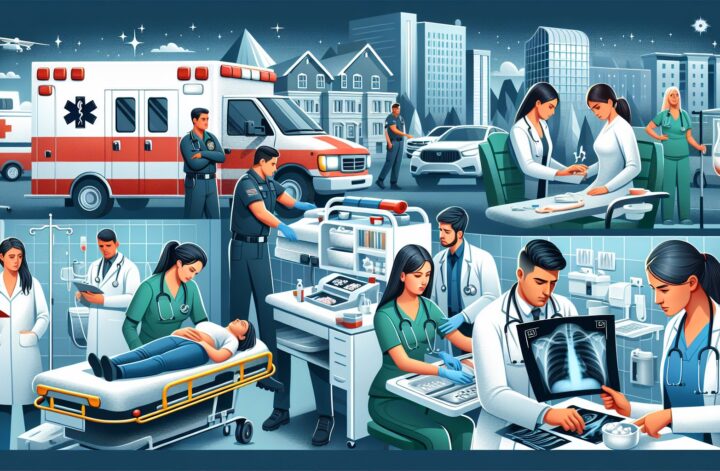
Emergency rooms (ERs) are designed to provide immediate medical intervention for life-threatening situations. They are open 24/7 and have a highly skilled medical staff trained to handle critical cases. ERs are equipped with advanced technology and resources to treat severe injuries, sudden illnesses, and emergencies. These may include heart attacks, strokes, severe trauma, or respiratory distress. It is crucial to utilize emergency rooms only in true emergencies, as they are designed to prioritize cases based on medical severity.
5. Telemedicine
In recent years, telemedicine has gained significant popularity. It allows patients to access medical assistance remotely, through video calls, phone consultations, or online messaging. Telemedicine offers convenience and efficiency, particularly for those who have difficulty traveling to a healthcare facility or need quick advice for minor health concerns. While telemedicine can provide adequate support for many non-emergency conditions, it is important to remember that some situations will still require in-person evaluation and treatment.
In conclusion, understanding the different types of medical help available is vital in order to receive appropriate and timely care. Whether it’s consulting a primary care physician, seeking specialized expertise, visiting an urgent care center or emergency room, or opting for telemedicine, we have a range of resources at our fingertips. By making use of these services wisely, we can ensure that our medical needs are met effectively and efficiently. Remember, when in doubt about the severity of a medical issue, it is always best to err on the side of caution and seek professional medical advice.