
Exploring the Different Types of Medical Help
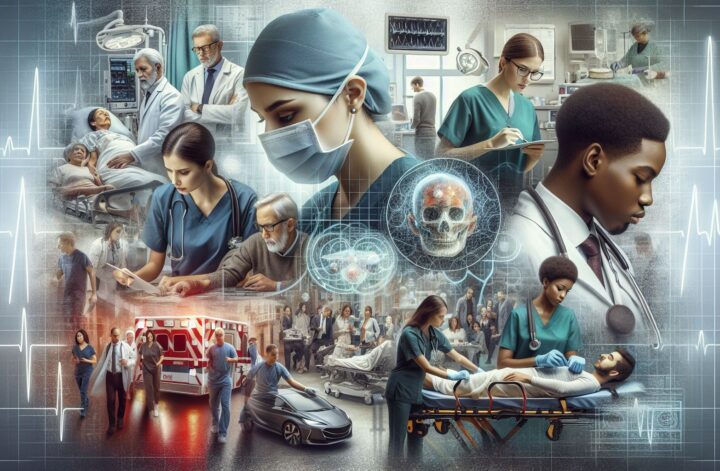
Whether you’re battling a cold, managing a chronic condition, or facing a medical emergency, there are various types of medical help available to meet your needs. From primary care physicians to specialists, urgent care centers to emergency rooms, the healthcare system is designed to provide a range of services to address every health concern. In this article, we’ll explore the different types of medical help available and how to determine which is most appropriate for your situation.
Primary Care Physicians
Primary care physicians, or PCPs, are often the first point of contact for patients seeking medical help. These healthcare providers specialize in general healthcare for patients of all ages, focusing on preventive care, routine screenings, and treatment for common ailments. PCPs can diagnose and manage a wide range of health conditions, provide referrals to specialists when needed, and coordinate care for complex medical issues.
Specialists
Specialists are healthcare providers who have advanced training and expertise in a specific area of medicine. Examples of specialists include cardiologists, dermatologists, oncologists, and neurologists, among others. Patients are typically referred to specialists by their primary care physician for further evaluation and treatment of specific health concerns. Specialists play an essential role in providing specialized care for complex conditions and helping patients manage chronic diseases.
Urgent Care Centers
Urgent care centers offer walk-in medical services for patients who require immediate attention but do not have a life-threatening emergency. These facilities are equipped to handle a wide range of non-life-threatening conditions, such as minor injuries, infections, and illnesses. Urgent care centers are convenient alternatives to traditional emergency rooms, providing faster service and lower costs for patients with non-urgent medical needs.
Emergency Rooms
Emergency rooms are designed to provide care for patients with life-threatening injuries or illnesses that require immediate attention. Emergency room physicians and nurses are trained to stabilize patients and provide critical care for conditions such as heart attacks, strokes, severe injuries, and other medical emergencies. If you are experiencing a medical emergency, it is essential to seek care at the nearest emergency room or call 911 for immediate assistance.
In conclusion, the healthcare system offers a variety of medical help options to meet the diverse needs of patients. Whether you require routine care from a primary care physician, specialized treatment from a specialist, immediate attention from an urgent care center, or critical care from an emergency room, there are resources available to address your health concerns. By understanding the different types of medical help and when to seek each, you can make informed decisions about your healthcare and receive the appropriate care for your needs.
Exploring the Different Types of Medical Help
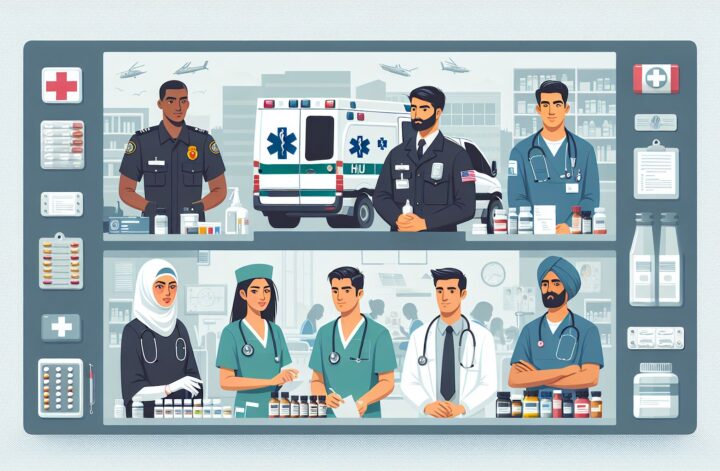
When it comes to seeking medical help, there are various options available depending on the type and severity of the condition. From primary care physicians to specialists, emergency services to alternative therapies, understanding the different types of medical help can ensure you receive the appropriate care for your needs.
Primary Care Physicians
Primary care physicians, often referred to as general practitioners or family doctors, are typically the first point of contact for medical issues. They provide routine check-ups, vaccinations, and treatment for common illnesses. They also help coordinate care with specialists if needed.
Specialists
Specialists are doctors who have additional training and expertise in a specific area of medicine. Examples of specialists include cardiologists (heart), dermatologists (skin), and orthopedists (musculoskeletal system). If you have a complex or specific medical condition, a specialist may be able to offer more targeted treatment options.
Emergency Services
In cases of medical emergencies, such as accidents or sudden illnesses, it is important to seek immediate help from emergency services. This may involve calling 911 for ambulance services or going to the nearest emergency room. Emergency services are equipped to handle life-threatening situations and provide urgent medical care.
Telemedicine
Telemedicine involves accessing medical care remotely, often through phone or video consultations with healthcare providers. This can be a convenient option for minor illnesses or follow-up appointments. Telemedicine services have become increasingly popular, especially in the wake of the COVID-19 pandemic.
Alternative Therapies
In addition to traditional medical treatments, some people seek out alternative therapies to address their health issues. This may include practices such as acupuncture, chiropractic care, or herbal remedies. While alternative therapies may not be suitable for every condition, some individuals find them to be beneficial.
Conclusion
Understanding the different types of medical help available can empower you to make informed decisions about your healthcare. Whether you need routine care from a primary care physician, specialized treatment from a specialist, or immediate assistance from emergency services, there are options to address a wide range of medical needs. By exploring the various types of medical help, you can access the care that is best suited to your individual circumstances. Remember, always consult with a healthcare provider to determine the most appropriate course of action for your specific health concerns.
Exploring the Different Types of Medical Help

When it comes to seeking medical help, there are a variety of options available to individuals depending on their needs and circumstances. From primary care physicians to specialists, urgent care facilities, and hospitals, each type of medical provider offers a unique set of services to cater to different health concerns. In this article, we will explore the different types of medical help available and discuss their respective roles in promoting overall health and well-being.
Primary Care Physicians
Primary care physicians (PCPs) are often the first point of contact for patients seeking medical help. These healthcare providers are trained to diagnose and treat a wide range of medical conditions and can address both acute and chronic health issues. PCPs play a crucial role in preventive care by conducting regular check-ups, screenings, and vaccinations to help patients maintain good health and prevent the onset of illnesses.
Specialists
Specialists are healthcare providers who have received advanced training in specific areas of medicine. These include cardiologists, oncologists, dermatologists, and neurologists, among others. Patients are typically referred to specialists by their PCPs for further evaluation and treatment of complex medical conditions that require specialized expertise. Specialists play a key role in providing focused care and addressing more specialized health concerns.
Urgent Care Facilities
Urgent care facilities are ideal for individuals who require immediate medical attention for non-life-threatening conditions such as minor injuries, infections, or illnesses. These facilities offer extended hours and walk-in appointments, making them a convenient option for patients in need of prompt medical care. Urgent care providers can address acute medical issues quickly and efficiently, helping patients avoid unnecessary visits to the emergency room.
Hospitals
Hospitals are equipped to provide a wide range of medical services, from emergency care to surgical procedures and long-term care. Patients may be admitted to the hospital for a variety of reasons, including severe injuries, complex medical conditions, or major surgeries. Hospitals are staffed by multidisciplinary teams of healthcare professionals, including doctors, nurses, and specialists, who collaborate to deliver comprehensive care to patients in need.
In conclusion, the diverse range of medical providers and facilities available can cater to a wide variety of healthcare needs and preferences. Whether seeking routine medical care, specialized treatment, urgent attention, or comprehensive hospital services, individuals have access to a wealth of options to address their health concerns. By understanding the roles of different types of medical help and choosing the appropriate provider for their specific needs, individuals can receive the care and support necessary to maintain optimal health and well-being.
The Different Types of Medical Help

When it comes to seeking medical assistance, there are various options available depending on the severity of the situation. From minor ailments to life-threatening emergencies, having an understanding of the different types of medical help can be crucial in ensuring proper care is received in a timely manner.
Primary Care Physicians
Primary care physicians are typically the first point of contact for individuals seeking medical assistance. These healthcare professionals provide routine check-ups, preventive care, and treatment for common illnesses and minor injuries. They also play a vital role in coordinating care with specialists and managing chronic conditions.
Urgent Care Centers
Urgent care centers are a convenient option for individuals needing medical attention for non-life-threatening conditions outside of regular office hours. These facilities are equipped to handle a wide range of medical issues, from minor injuries to infections, without the need for an appointment. They are a great alternative to the emergency room for situations that require immediate attention but are not severe enough to warrant a trip to the hospital.
Emergency Rooms
Emergency rooms are designed to provide care for serious and life-threatening medical emergencies. They are equipped to handle a wide range of conditions, from heart attacks and strokes to severe injuries and trauma. If you or someone you know is experiencing a medical emergency, it is important to seek help immediately by going to the nearest emergency room or calling 911.
Telemedicine
Telemedicine has become increasingly popular in recent years, allowing patients to receive medical care remotely through virtual appointments with healthcare providers. This option is particularly useful for individuals with limited access to healthcare services or those who prefer the convenience of consulting a healthcare professional from the comfort of their own home.
Specialty Care
Specialty care involves treatment from healthcare providers who have expertise in specific areas of medicine, such as cardiology, orthopedics, or dermatology. Patients are typically referred to specialists by their primary care physician for further evaluation and treatment of complex medical conditions.
In conclusion, understanding the different types of medical help available can help individuals make informed decisions about their healthcare needs. Whether it’s a routine check-up with a primary care physician or urgent medical attention at an emergency room, knowing where to turn for assistance can make all the difference in receiving timely and appropriate care. Remember, it’s always important to seek medical help when needed and not delay treatment for serious health concerns.
Exploring Different Types of Medical Help

When it comes to seeking medical help, there are various options available to individuals depending on their healthcare needs. From primary care physicians to specialists and emergency services, understanding the different types of medical help can help individuals make informed decisions regarding their healthcare.
Primary Care Physicians:
Primary care physicians serve as the initial point of contact for individuals seeking medical help. They are trained to provide routine check-ups, manage chronic conditions, and offer preventive care. Primary care physicians often refer patients to specialists for more specialized treatment if needed.
Specialists:
Specialists are healthcare providers who have expertise in a specific area of medicine. Examples of specialists include cardiologists, pediatricians, dermatologists, and neurologists. Patients are typically referred to specialists by their primary care physician for more specialized treatment and care.
Urgent Care Clinics:
Urgent care clinics are medical facilities that provide immediate medical attention for non-life-threatening illnesses and injuries. These clinics offer extended hours and can treat a wide range of medical issues, including minor fractures, infections, and burns.
Emergency Services:
Emergency services are medical facilities equipped to handle life-threatening situations that require immediate attention. These facilities are staffed with medical professionals trained to respond to emergencies such as heart attacks, strokes, and severe injuries. It is important to call 911 or go to the nearest emergency room for medical emergencies.
Telemedicine:
Telemedicine is a growing trend in healthcare that allows patients to receive medical advice and treatment remotely through phone calls, video chats, or mobile apps. This type of medical help is convenient for individuals who may not be able to visit a doctor in person.
Mental Health Services:
Mental health services include therapy, counseling, and psychiatric care for individuals experiencing mental health issues such as anxiety, depression, and PTSD. Mental health professionals, such as therapists and psychiatrists, can provide support and treatment for mental health conditions.
In conclusion, there are various types of medical help available to individuals depending on their healthcare needs. From primary care physicians to specialists, urgent care clinics, emergency services, telemedicine, and mental health services, individuals have access to a wide range of healthcare options. It is important for individuals to seek appropriate medical help when needed and to work closely with healthcare providers to address their healthcare needs effectively.
Understanding the Different Types of Medical Help

When it comes to receiving medical care, it’s important to understand the different types of help that are available to you. From primary care physicians to specialists, the medical field offers a variety of professionals who can address your healthcare needs. By understanding the roles of these healthcare providers, you can make informed decisions about your own health and well-being.
Primary Care Physicians
Primary care physicians are often the first point of contact for individuals seeking medical care. These doctors are trained to provide comprehensive care for a wide range of health issues, from routine check-ups and preventive care to managing chronic conditions. They can also refer patients to specialists when needed.
Specialists
Specialists are doctors who have received additional training in a specific area of medicine. These healthcare providers focus on a particular organ system, disease, or type of patient. Some common types of specialists include cardiologists (heart), dermatologists (skin), and endocrinologists (hormones).
Emergency Care
In emergency situations, it’s important to seek immediate medical attention. Emergency rooms are equipped to handle serious injuries and illnesses that require prompt treatment. Emergency care providers are trained to stabilize patients and provide life-saving interventions.
Urgent Care
Urgent care centers are a convenient option for individuals with non-life-threatening injuries or illnesses that require prompt attention. These facilities are often open outside of regular business hours and can provide treatment for a wide variety of conditions, such as minor injuries, infections, and illnesses.
Telemedicine
Telemedicine allows patients to consult with healthcare providers remotely, using video calls or phone calls. This type of medical care is convenient for individuals who are unable to visit a doctor in person, and it can be especially helpful for accessing mental health services or managing chronic conditions.
Holistic Medicine
Holistic medicine takes a more comprehensive approach to healthcare, focusing on the physical, emotional, and spiritual well-being of individuals. Practitioners of holistic medicine may use a combination of conventional and alternative therapies to address a person’s health concerns.
In conclusion, the field of medicine offers a variety of options for individuals seeking medical help. From primary care physicians to specialists, emergency care to telemedicine, there are many ways to address your healthcare needs. By understanding the different types of medical help available, you can make informed decisions about your health and well-being. Remember to always consult with a healthcare provider to determine the best course of action for your individual needs.
Different Types of Medical Help

When it comes to our health, there are a variety of medical professionals and services available to provide the care we need. From primary care physicians to specialists, each type of medical help serves a different purpose in keeping us healthy and addressing our medical concerns.
Primary Care Physicians
Primary care physicians, also known as general practitioners or family doctors, are often the first point of contact for individuals seeking medical help. These healthcare professionals are trained to provide a wide range of services, including preventive care, diagnosing and treating common illnesses, managing chronic conditions, and coordinating referrals to specialists when needed.
Specialists
Specialists are medical doctors who have received additional training in a specific area of medicine. Some examples of specialists include cardiologists (heart specialists), dermatologists (skin specialists), and oncologists (cancer specialists). When a primary care physician determines that a patient’s condition requires specialized care, they will refer them to a specialist who has the expertise to address their specific medical needs.
Urgent Care Centers
Urgent care centers are medical facilities that specialize in providing immediate medical attention for non-life-threatening conditions. These centers are open outside of regular business hours, making them a convenient option for individuals who need medical help after hours or on weekends. Urgent care centers can treat a variety of issues, such as minor injuries, infections, and illnesses that require prompt attention.
Emergency Rooms
Emergency rooms are equipped to handle critical and life-threatening medical emergencies. These facilities are staffed with healthcare professionals who are trained to provide immediate care for conditions that require urgent attention, such as heart attacks, strokes, severe injuries, and other medical emergencies. It is important to note that emergency rooms should only be used for true emergencies, as they can be costly and wait times can be long for non-emergent issues.
Telemedicine
Telemedicine is a growing trend in healthcare that allows patients to receive medical help remotely through technology, such as video calls and phone consultations. This convenient option is especially valuable for individuals who may have difficulty accessing traditional medical services due to location, mobility issues, or scheduling conflicts. Telemedicine can be used for a variety of medical concerns, including routine check-ups, medication management, and follow-up visits with healthcare providers.
In conclusion, there are many different types of medical help available to address our healthcare needs. From primary care physicians to specialists, urgent care centers to emergency rooms, and telemedicine services, there are a variety of options to ensure that we receive the care we need to stay healthy and address our medical concerns. By understanding the different types of medical help available, we can make informed decisions about our healthcare and access the appropriate services when needed.
Exploring the Different Types of Medical Help

When it comes to seeking medical help, there are a variety of options available depending on the type of care needed. From primary care physicians to specialists, hospitals to urgent care clinics, knowing the different types of medical help available can help individuals make informed decisions about their healthcare.
Primary Care Physicians:
Primary care physicians (PCPs) are often the first point of contact for individuals seeking medical help. They provide routine check-ups, preventive care, and treatment for common medical conditions. PCPs can also coordinate care with specialists as needed.
Specialists:
Specialists are doctors who have expertise in specific areas of medicine, such as cardiology, dermatology, or neurology. Individuals may be referred to a specialist by their PCP for further evaluation, diagnosis, or treatment of a specific medical condition.
Hospitals:
Hospitals are facilities equipped to provide a wide range of medical services, including emergency care, surgery, and inpatient treatment. Hospitals often have specialized departments, such as oncology or cardiology, to provide focused care for specific conditions.
Urgent Care Clinics:
Urgent care clinics are walk-in medical facilities that provide immediate care for non-life-threatening medical conditions, such as minor injuries, infections, or illnesses. They are a convenient option for individuals who need prompt medical attention but do not require emergency care.
Telemedicine:
Telemedicine allows individuals to consult with healthcare providers remotely through phone or video calls. This option is particularly useful for individuals who may have difficulty accessing traditional medical care due to location or mobility issues.
Home Health Care:
Home health care provides medical services in the comfort of a patient’s own home. This type of care is often used for individuals who are unable to travel to a medical facility due to illness or disability.
In conclusion, there are various types of medical help available to individuals depending on their specific needs and circumstances. By understanding the different options for care, individuals can make informed decisions about their healthcare and access the appropriate level of support when needed. Whether it’s a routine check-up with a primary care physician or urgent care for a minor injury, knowing where to turn for medical help is essential for maintaining good health and well-being.
Exploring the Different Types of Medical Help
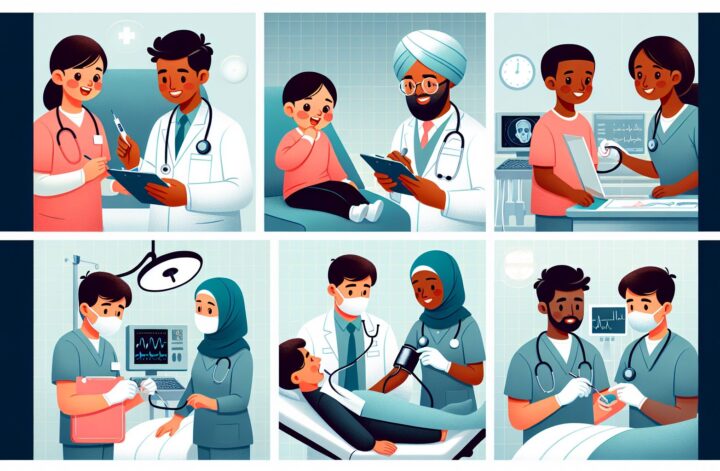
In times of illness or injury, it’s crucial to know where to turn for medical help. There are various types of medical professionals and facilities that can provide treatment and care depending on the severity of the condition. Let’s take a closer look at the different types of medical help available.
Primary Care Physicians
Primary care physicians, also known as family doctors or general practitioners, are often the first point of contact for patients seeking medical help. These healthcare providers can diagnose and treat a wide range of common illnesses and minor injuries. They also help manage chronic conditions and provide preventive care such as vaccinations and health screenings.
Urgent Care Centers
Urgent care centers are walk-in medical facilities that offer convenient access to medical care for non-life-threatening conditions that require prompt attention. They are a great option for when you need to see a doctor quickly but your primary care physician is not available. Urgent care centers typically provide treatment for illnesses like colds and flu, as well as minor injuries like cuts and sprains.
Emergency Rooms
Emergency rooms are equipped to handle medical emergencies and serious injuries that require immediate attention. If you experience severe chest pain, difficulty breathing, sudden numbness or weakness, or any other life-threatening symptoms, it’s important to go to the nearest emergency room or call 911. Emergency rooms are staffed with doctors, nurses, and other healthcare professionals who are trained to provide urgent care in critical situations.
Specialists
In some cases, primary care physicians may refer patients to specialists for further evaluation and treatment of specific health conditions. Specialists are healthcare providers who have undergone additional training in a specific area of medicine, such as cardiology, oncology, or neurology. Seeing a specialist ensures that patients receive expert care for complex or rare medical conditions.
Telemedicine
Telemedicine allows patients to consult with healthcare providers remotely through phone calls, video chats, or online messaging. This technology has become increasingly popular, especially during the COVID-19 pandemic, as it provides a convenient way for patients to receive medical advice and treatment without leaving their homes. Telemedicine can be used for routine medical visits, prescription refills, and even mental health counseling.
In conclusion, there are various types of medical help available to meet the diverse needs of patients. From primary care physicians to emergency rooms to telemedicine, each option plays a crucial role in providing timely and effective healthcare services. By understanding the different types of medical help and when to seek each one, individuals can ensure they receive the appropriate care for their specific health needs.
Exploring the Different Types of Medical Help

When it comes to our health, it’s important to know that there are various types of medical help available to us. From preventative care to acute treatments, understanding the different options can help us make informed decisions about our health. In this article, we will explore some of the main types of medical help and when they might be appropriate.
Preventative Care
Preventative care is focused on keeping us healthy and preventing illness before it occurs. This can include regular check-ups with a primary care physician, vaccinations, screenings for conditions like high blood pressure or cancer, and lifestyle interventions such as diet and exercise. Preventative care is essential for maintaining good health and catching potential issues early on.
Primary Care
Primary care physicians are often our first point of contact for health concerns. They provide general medical care, diagnose and treat common illnesses, and refer us to specialists when needed. Primary care physicians can help manage chronic conditions, coordinate care between different specialists, and provide ongoing support for our overall health.
Urgent Care
Urgent care clinics are a convenient option for situations that require immediate medical attention but are not life-threatening. These clinics can treat a variety of injuries and illnesses, such as fevers, sprains, cuts, and infections. Urgent care clinics are usually open extended hours, making them a convenient choice for minor medical emergencies.
Emergency Care
For life-threatening situations, such as heart attacks, strokes, severe injuries, or other medical emergencies, it is essential to seek care at an emergency room. Emergency rooms are equipped to handle a wide range of medical emergencies and have resources like advanced imaging, surgical capabilities, and specialized staff to provide critical care.
Specialized Care
Specialized care is provided by healthcare professionals who have expertise in specific areas of medicine, such as cardiology, neurology, oncology, or orthopedics. Patients may be referred to specialists for complex conditions that require specialized knowledge and treatment options. Specialists work closely with primary care physicians to provide comprehensive care for patients.
Mental Health Care
Mental health care is focused on diagnosing and treating mental health disorders, such as depression, anxiety, bipolar disorder, and schizophrenia. Mental health professionals, including psychiatrists, psychologists, and therapists, provide therapy, medication management, and support for individuals experiencing mental health challenges.
In conclusion, understanding the different types of medical help available can empower us to take control of our health and make informed decisions about our care. From preventative care to emergency services, there are a variety of options to meet our health needs at every stage of life. By working collaboratively with healthcare providers, we can access the appropriate care and support to maintain our health and well-being.