
The Many Types of Medical Help

Medical help comes in various forms, each tailored to different needs and situations. From routine check-ups to emergency care, it is important to understand the different types of medical assistance available to ensure you receive the most appropriate care. Let’s explore some common forms of medical help and their distinctive purposes.
Routine Check-ups and Preventive Care
The foundation of good health lies in routine check-ups and preventive care. Regular visits to your primary care physician or family doctor allow for the early detection and treatment of potential health issues. These appointments often include physical examinations, screenings, vaccinations, and discussions about your overall well-being. By proactively addressing any concerns and maintaining a healthy lifestyle, you can prevent many diseases or catch them in their early stages, increasing the chances of successful treatment.
Specialist Care
When faced with specific health conditions or complex medical issues, it may be necessary to consult a specialist. These healthcare professionals have focused training and expertise in specific areas of medicine, such as cardiology, neurology, dermatology, or orthopedics. Specialists combine their deep knowledge with advanced diagnostic tools and treatment options to provide specialized care for their patients. Your primary care physician will often refer you to a specialist when your condition requires investigation or management beyond their scope of practice.
Urgent Care
Urgent care centers bridge the gap between routine care and emergency rooms, handling non-life-threatening medical issues that require prompt attention. These facilities are open outside regular office hours and are suitable for situations that cannot wait for a scheduled appointment but do not warrant a visit to the emergency room. Examples of conditions treated in urgent care include minor injuries, fevers, sinus infections, and flu-like symptoms.
Emergency Care
In cases of severe or life-threatening situations, emergency care is a vital resource. Emergency rooms are equipped to handle urgent medical conditions that require immediate attention, such as heart attacks, major trauma, severe bleeding, or breathing difficulties. Highly trained emergency medical staff work around the clock in these facilities, providing critical care and helping stabilize patients before transferring them to appropriate hospital departments, if necessary.
Telemedicine
The advent of technology has introduced a new form of medical assistance: telemedicine. This approach enables healthcare professionals to provide remote care and medical advice utilizing various communication tools like video conferencing or phone calls. Telemedicine is particularly useful for minor health concerns, follow-up appointments, prescription refills, or when physical distance makes visiting a healthcare provider challenging. By minimizing the need for in-person visits, telemedicine enhances convenience and accessibility to medical help, especially for individuals in rural areas or with limited mobility.
Conclusion
Medical help comes in various forms, each designed to address specific healthcare needs. Whether it’s routine check-ups, specialist care, urgent care, emergency assistance, or the convenience of telemedicine, understanding the different types of medical help available empowers individuals to make informed decisions about their health. By seeking appropriate and timely medical assistance, you can ensure the best possible care for yourself and your loved ones. Remember, proactive healthcare is the key to a healthier future.
Understanding the Different Types of Medical Help
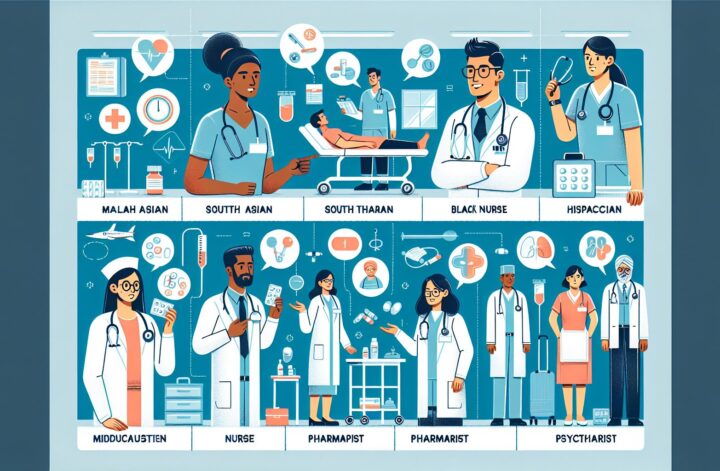
When it comes to seeking medical assistance, it can often be overwhelming to navigate the array of options available to us. From primary care to specialized treatments, there are various types of medical help to address our health concerns. In this article, we will explore the different types of medical assistance available, helping you make more informed decisions about your health.
Primary Care
The foundation of our healthcare system is primary care. This includes routine check-ups, preventive care, and the initial treatment of common illnesses. Primary care providers, such as family physicians, internists, and pediatricians, are often our first point of contact for any health issues. They manage our overall health, conduct screenings, and offer guidance on leading a healthy lifestyle. Through primary care, individuals receive continuous and comprehensive medical assistance.
Urgent Care
While minor ailments and injuries can often be handled by primary care providers, there are occasions when immediate attention is required outside regular office hours. Urgent care centers bridge this gap by providing walk-in medical services that are more convenient and accessible than emergency rooms. These facilities handle non-life-threatening conditions such as sprains, minor infections, and common illnesses when a primary care provider is unavailable. Urgent care centers have extended hours during evenings and weekends, ensuring prompt attention when needed.
Emergency Care
In situations that require immediate and life-saving treatment, emergency care is essential. Emergency rooms are equipped to handle critical conditions, including heart attacks, severe injuries, and acute illnesses. Emergency care is available 24/7 and has a team of specialized healthcare professionals ready to handle any medical crises. It is important to note that emergency care should only be sought for situations that pose an immediate threat to life or limb, as unnecessary visits can strain resources and delay care for those who need it most.
Specialty Care
Specialty care focuses on specific areas of medicine, catering to complex or rare conditions that require advanced knowledge and expertise. This branch of medical assistance includes various specialties, such as cardiology, oncology, dermatology, and neurology, among others. To receive specialty care, individuals typically require a referral from their primary care provider. Once referred, patients receive targeted treatments and interventions from healthcare professionals with specialized training in their respective fields.
Mental Health Care
The importance of mental health and well-being cannot be overstated. Mental health care aims to diagnose, manage, and treat conditions related to mental well-being. This type of care can be sought from mental health professionals such as psychiatrists, psychologists, and licensed therapists. Mental health care encompasses a range of interventions, including therapy, counseling, medication management, and holistic approaches to promote emotional wellness.
Conclusion
Understanding the different types of medical help available can empower us to make more informed decisions about our health. Primary care acts as the foundation, while urgent care offers accessible and immediate attention outside of regular office hours. Emergency care is crucial in life-threatening situations, requiring prompt attention. Specialty care caters to complex conditions, and mental health care addresses our emotional well-being. By having a deeper understanding of these various forms of medical assistance, we can seek the appropriate care for our individual needs, promoting overall health and well-being.
The Different Types of Medical Help

Living in a world that is constantly advancing, we are fortunate to have access to various types of medical help. From traditional remedies to cutting-edge treatments, each form of medical assistance serves a unique purpose. In this blog post, we will explore some of the different types of medical help that are available today, and how they can benefit us in different ways.
Traditional Medicine
Traditional medicine, also known as alternative medicine, has been practiced for centuries and is deeply rooted in cultural beliefs. It includes practices such as herbal medicine, acupuncture, and Ayurveda. Traditional medicine aims to treat the body as a whole and focuses on maintaining a balance between physical, mental, and spiritual well-being. Many people find solace in traditional medicine due to its holistic approach and minimal side effects.
Conventional Medicine
Conventional medicine refers to the mainstream medical practices that are widely accepted and practiced by licensed healthcare professionals. It relies on evidence-based treatments, pharmaceutical drugs, and surgical interventions. Conventional medicine is focused on diagnosing and treating specific illnesses or conditions. This form of medical help is often sought out for acute illnesses, severe injuries, or complex medical conditions.
Integrative Medicine
Integrative medicine combines elements of both traditional and conventional medicine to provide a comprehensive and personalized approach to healthcare. It emphasizes the importance of the mind-body connection, considering factors such as nutrition, exercise, stress management, and emotional well-being. Integrative medicine practitioners often collaborate with conventional medical professionals to provide a holistic approach that meets the individual needs of patients.
Telemedicine
Telemedicine has gained significant popularity in recent years, particularly due to the advancement of technology. It allows patients to consult with healthcare professionals remotely, using video conferencing or mobile apps. Telemedicine provides accessible and convenient medical help, especially for individuals who have limited mobility, live in remote areas, or require non-emergency consultations. This form of medical assistance has proven to be extremely valuable during times of pandemics or natural disasters.
Preventive Medicine
Preventive medicine focuses on maintaining good health and preventing the onset of diseases or conditions. It includes regular check-ups, health screenings, vaccinations, and lifestyle modifications. Preventive medicine aims to identify risk factors, educate individuals on healthy habits, and provide appropriate interventions to keep diseases at bay. By prioritizing preventive measures, individuals can reduce the likelihood of developing certain illnesses or conditions.
In conclusion, the world of medical help is vast and diverse, offering various options depending on individual needs. From traditional remedies to advancements in technology, these different types of medical assistance cater to diverse preferences and requirements. Whether seeking relief from a specific illness, maintaining overall well-being, or accessing healthcare remotely, it is important to understand the range of medical help available and choose the best option for our individual circumstances.
The Different Types of Medical Help

When it comes to medical care, there are various options available to individuals depending on their healthcare needs. From primary care physicians to specialized healthcare professionals, each type of medical help serves a different purpose in addressing our health concerns. Understanding these different options can help us make informed decisions about the type of care we might need. In this article, we will explore the various types of medical help and how they can assist us in maintaining our well-being.
Primary Care Physicians
Primary care physicians (PCPs) are often our first point of contact for medical concerns. These doctors provide comprehensive care, treating common illnesses and managing chronic conditions. They also offer preventive care such as vaccinations, routine check-ups, and screenings. PCPs are knowledgeable in various fields, including internal medicine, family medicine, and pediatrics, allowing them to address the medical needs of individuals of all ages.
Specialists
In certain situations, PCPs may refer patients to specialists who have expertise in specific medical areas. Specialists focus on a particular branch of medicine and have specialized training and knowledge in their field. Some common examples of specialists include cardiologists, dermatologists, orthopedic surgeons, and neurologists. These specialists provide specialized care for specific health conditions and offer advanced treatment options that PCPs may not be equipped to handle.
Emergency Care
Accidents and severe medical emergencies require immediate attention. Emergency care facilities, often located in hospitals, provide 24/7 assistance for critical situations. They have a team of healthcare professionals trained to respond quickly and effectively to emergencies, ensuring that patients receive the necessary care in critical moments. Emergency care facilities are equipped with advanced medical technology and have specialists on call to provide the highest level of care.
Urgent Care
For non-life-threatening medical conditions that require prompt attention but are not severe enough for emergency care, urgent care centers are a convenient option. These facilities provide medical assistance outside regular office hours and on short notice. Urgent care centers are suitable for treating minor injuries, infections, illnesses, and providing basic diagnostic services.
Telemedicine
As technology continues to advance, so does the accessibility of medical help. Telemedicine allows patients to consult with doctors remotely using video calls or phone calls. This option is particularly advantageous for individuals who live in rural areas, have limited mobility, or require medical advice for minor ailments. Telemedicine plays a vital role in increasing accessibility to medical help, improving primary care, and reducing healthcare costs.
Conclusion
The availability of different types of medical help ensures that individuals receive appropriate care for their specific needs. From primary care physicians who offer comprehensive care, to specialists who provide expertise in specific medical conditions, each option plays a crucial role in maintaining our health. Additionally, emergency care and urgent care facilities cater to immediate healthcare needs for varying levels of urgency. Lastly, telemedicine presents a modern solution that enhances accessibility and convenience. Familiarizing ourselves with these various types of medical help empowers us to make informed decisions about our health and seek the appropriate care when needed.
The Different Types of Medical Help
Medical help comes in various forms, catering to the diverse needs of individuals seeking healthcare. From routine check-ups to emergency care, the range of medical services available ensures that patients receive the appropriate aid based on their conditions. Let’s explore some of the different types of medical help available to help us maintain good health.
Primary Care
Primary care is often the first point of contact between patients and the healthcare system. This vital form of medical help involves preventative care and the treatment of common illnesses and injuries. Primary care physicians, including family doctors and pediatricians, provide routine check-ups, vaccinations, screenings, and ensure the overall well-being of their patients. They also refer patients to specialized care when necessary.
Specialty Care
Specialty care focuses on specific areas of medicine, catering to patients with complex health conditions. Specialists undergo additional training in their area of expertise, which may include fields such as cardiology, dermatology, neurology, and many others. These medical professionals collaborate with primary care physicians and provide in-depth evaluation, diagnosis, and treatment related to their specialty.
Emergency Care
In situations requiring immediate medical attention, emergency care is vital. Emergency rooms in hospitals are equipped to handle life-threatening conditions, severe injuries, and acute illnesses. They are staffed with medical professionals trained to stabilize patients and provide necessary treatment before transferring them to appropriate care if needed. Emergency care ensures that urgent medical help is available 24/7.
Urgent Care
Urgent care bridges the gap between primary care and emergency care. These facilities provide prompt medical help for conditions that require immediate attention but are not life-threatening. Urgent care centers are often open after regular clinic hours, providing access to medical assistance for non-emergency conditions such as minor injuries, infections, and illnesses when primary care is unavailable.
Telemedicine
Advancements in technology have led to the rise of telemedicine, providing medical help remotely. Patients can now consult healthcare professionals via video calls, phone calls, or even online messaging. Telemedicine offers convenience, especially for individuals with limited access to healthcare facilities. It proves particularly useful for non-urgent medical issues, follow-up appointments, medication management, and counseling services.
Rehabilitation Services
For patients recovering from injuries, surgeries, or medical conditions, rehabilitation services play a crucial role. These services aim to restore physical and mental function, improve mobility, manage pain, and enhance overall well-being. Rehabilitation may involve physical therapy, occupational therapy, speech therapy, and other specialized interventions based on the patient’s needs.
Conclusion
From routine check-ups to specialized care, and from emergencies to rehabilitation, the different types of medical help cater to diverse healthcare needs. Primary care provides preventive and basic treatment for common ailments, while specialists amp up medical expertise in specific areas. Urgent care centers bridge the gap between primary and emergency care, offering immediate assistance for non-life-threatening conditions. Telemedicine brings healthcare to our fingertips through remote consultations. Lastly, rehabilitation services focus on helping patients regain functionality and improve their quality of life. Understanding these various types of medical help ensures that we can seek the right care when needed, maintaining and optimizing our health.
Medical Help: Exploring Different Types of Medical Assistance

Medical assistance comes in various forms, each playing a vital role in promoting and maintaining good health. Whether it’s preventive care, primary care, or specialized treatment, understanding the different types of medical help available is crucial for making informed decisions about our well-being. In this article, we will explore some of the primary categories of medical assistance and their significance in our lives.
Primary Care
Primary care serves as the foundation of medical assistance for individuals of all ages. Typically, primary care providers, such as general practitioners or family physicians, are the first point of contact for a wide range of health issues. These dedicated experts offer a holistic approach to healthcare, providing preventive services, routine check-ups, vaccinations, and treatment for common illnesses. Primary care physicians act as coordinators for their patients’ overall health and can refer them to specialists if necessary.
Specialized Care
Specialized care focuses on specific health conditions or organs, offering advanced medical expertise and treatment options. Specializations can include cardiology, dermatology, oncology, orthopedics, neurology, and many others. Patients who require specialized care are typically referred to specialists by their primary care providers.
Specialists possess in-depth knowledge and training related to their particular field, allowing them to diagnose and treat complex medical conditions effectively. By dedicating their expertise to specific healthcare aspects, specialists ensure patients receive specialized attention tailored to their unique medical needs.
Urgent Care
In situations that require immediate medical attention but are not severe enough to warrant an emergency room visit, urgent care facilities play a vital role. Urgent care centers are open beyond regular office hours, offering prompt medical assistance for non-life-threatening conditions like minor injuries, infections, or sudden illnesses. Conveniently located in many areas, urgent care centers are an excellent option when primary care physicians are unavailable or fully booked.
Emergency Care
When faced with a life-threatening situation or severe medical emergency, calling emergency services or rushing to the nearest emergency room is imperative. Emergency departments are equipped with the necessary resources, technology, and healthcare providers to handle critical situations promptly.
Medical emergencies may include severe injuries, chest pain, difficulty breathing, signs of stroke or heart attack, sudden loss of consciousness, or uncontrollable bleeding. Timely access to emergency care is crucial in potentially saving lives or preventing further complications.
Telemedicine
With technological advancements, medical assistance has extended well beyond the physical examination room. Telemedicine provides a convenient and accessible way to consult with healthcare professionals remotely. Through video calls, phone calls, or secure messaging apps, patients can receive diagnosis, treatment, and even prescriptions without visiting the doctor’s office physically.
Telemedicine is particularly beneficial for those with limited mobility, individuals living in remote areas, or when in-person visits are challenging due to unforeseen circumstances. It has become an essential tool in ensuring continuity of care and can greatly enhance healthcare accessibility for many.
Conclusion
From primary care to specialized treatment and urgent or emergency care, the diverse types of medical assistance each serve a crucial purpose in safeguarding our health. While primary care acts as a centralized hub for overall well-being, specialized care, urgent care, and emergency care cater to specific needs, ensuring comprehensive health management. In this digital age, telemedicine adds a new dimension to medical assistance, enabling remote consultations and accessible healthcare for a wide range of individuals. Recognizing the importance and availability of different medical assistance options empowers us to prioritize our health and make informed choices regarding our well-being.
Different Types of Medical Help

When we encounter a health issue or face a medical emergency, seeking the right type of medical help becomes crucial. With the diverse range of options available, it’s important to understand the different types of medical assistance and their respective purposes. Let’s explore the various types of medical help that exist and when it is appropriate to seek each one.
Primary Care Physicians
Primary care physicians (PCPs) are often our first point of contact when we have non-emergency medical concerns. These healthcare professionals play a vital role in our overall well-being and act as the cornerstone of our healthcare system. Regular check-ups, preventive care, and treatment of common illnesses are all part of their expertise. PCPs are well-equipped to diagnose medical problems, provide treatments, and refer patients to specialists when needed. Everyone should have a designated primary care physician to manage their general health needs.
Specialists
Specialists focus on specific areas of medicine and provide expert care for complex health issues beyond a primary care doctor’s scope. When PCPs need assistance in diagnosing or treating a condition, they refer patients to specialists who specialize in the relevant field. Examples of specialist care include cardiologists for heart-related issues, dermatologists for skin conditions, and neurologists for disorders of the nervous system. A specialist’s in-depth knowledge and experience are crucial in managing complex medical conditions effectively.
Urgent Care Centers
Urgent care centers fill the gap between primary care doctors and emergency rooms. These facilities provide immediate medical attention for pressing issues that require prompt treatment but are not life-threatening. Urgent care centers often operate during extended hours and are equipped to handle conditions such as minor injuries, infections, and fractures. They are a convenient option when your primary care doctor is unavailable, and they can provide timely healthcare services without the long wait times associated with emergency rooms.
Emergency Rooms
Emergency rooms (ERs) are designed to handle severe, life-threatening, or critical emergencies 24/7. If a health condition poses an immediate threat to life or limb, visiting an emergency room is vital. ERs are equipped with advanced medical technology and staffed by specialized healthcare professionals who can handle critical situations. Examples of conditions that require immediate ER attention include heart attacks, severe trauma, difficulty breathing, and severe burns.
Telemedicine
In recent years, telemedicine has gained popularity as a convenient and accessible form of medical assistance. Telemedicine allows patients to connect with healthcare professionals remotely through video calls, phone calls, or online chats. This option is especially beneficial for individuals with limited mobility, those living in rural areas, or when in-person visits are challenging or unavailable. Telemedicine can be utilized for various medical concerns, including routine check-ups, general health advice, and follow-up appointments.
In conclusion, understanding the different types of medical help available is crucial to receiving appropriate care for our specific needs. Whether it’s a routine check-up, specialized treatment, urgent care, or an emergency situation, knowing where to turn is essential. Remember to establish a relationship with a primary care physician who can guide you through your healthcare journey and direct you to the appropriate source of medical assistance when necessary. Stay informed, prioritize your health, and make informed decisions when seeking medical help.
The Different Types of Medical Help
Medical help comes in various forms, each designed to address specific health concerns and support overall well-being. From primary care to specialized treatments, understanding the different types of medical assistance available can help us navigate the complex healthcare system more effectively. In this article, we will explore the diverse range of medical help options, from routine check-ups to emergency care, and everything in between.
Primary Care
Primary care is often the first point of contact for individuals seeking medical help. A primary care provider, such as a general practitioner (GP) or family physician, offers comprehensive healthcare services to patients of all ages. They provide routine check-ups, preventive care, vaccinations, and address common illnesses and minor injuries. Primary care providers also act as coordinators, referring patients to specialists when necessary and overseeing their overall healthcare management.
Specialized Care
In addition to primary care, there are various specialized medical professionals who focus on specific illnesses, conditions, or body systems. These specialists have extensive knowledge and expertise in their respective fields. Some common examples include:
- Cardiologists: Specialize in the diagnosis and treatment of heart-related conditions.
- Dermatologists: Address skin, hair, and nail concerns, including common skin ailments and cosmetic procedures.
- Gastroenterologists: Focus on digestive system disorders and conditions affecting the gastrointestinal tract.
- Endocrinologists: Specialize in hormonal disorders, such as diabetes, thyroid diseases, and reproductive health.
- Orthopedic Surgeons: Deal with bone, joint, and musculoskeletal system issues, including surgeries and rehabilitation.
- Psychiatrists: Offer mental health assessments, diagnoses, and treatment plans for various psychiatric disorders.
- Oncologists: Specialize in diagnosing and treating different types of cancers.
These specialists often require a referral from a primary care provider or another specialist.
Emergency Care
Emergency medical help is available for situations that require immediate attention and cannot wait for a scheduled appointment. Emergency departments are equipped to handle acute injuries, severe illnesses, and life-threatening conditions. They operate 24/7, ensuring round-the-clock availability of medical professionals, specialists, and life-saving equipment. In an emergency, it is crucial to call emergency services or go directly to the nearest emergency department.
Urgent Care
Urgent care centers bridge the gap between primary care and emergency care. These facilities provide medical assistance for non-life-threatening conditions that require prompt attention but are not severe enough to necessitate an emergency room visit. Urgent care clinics typically offer extended hours, including evenings and weekends, making them a convenient option for minor illnesses, cuts, fractures, and other non-emergency situations.
Telemedicine
Advancements in technology have led to the rise of telemedicine, a form of medical help that allows patients to consult with healthcare professionals remotely. Through video calls, phone consultations, or online messaging platforms, individuals can seek advice, receive diagnoses, and get prescriptions without leaving their homes. Telemedicine offers convenience, especially for minor health concerns and follow-up appointments that do not require physical presence.
In conclusion, medical help is not one-size-fits-all. The healthcare system encompasses primary care, specialized care, emergency care, urgent care, and even telemedicine, each fulfilling a unique role in meeting diverse healthcare needs. Understanding these different types of medical assistance empowers individuals to make informed decisions about their health and seek appropriate care for their specific conditions. Whether it’s a routine check-up or a medical emergency, knowing where to turn for the right kind of help is essential for maintaining well-being.
The Different Types of Medical Help

When it comes to our health, it is important to know that there are various types of medical help available. From primary care physicians to specialized professionals, each plays a unique role in ensuring our well-being. In this article, we will explore the different types of medical help and how they contribute to our overall health.
Primary Care Physicians
Primary care physicians, also known as general practitioners or family doctors, are typically our first point of contact for medical assistance. They are trained to provide comprehensive healthcare for a wide range of conditions. Whether it’s a minor illness, routine check-ups, vaccinations, or regular health screenings, primary care physicians are equipped to handle the majority of our healthcare needs. They are skilled in diagnosing common ailments and providing appropriate treatment, as well as coordinating care with specialists when necessary.
Specialists
Specialists are healthcare providers with advanced training and expertise in specific areas of medicine. When a patient presents with a complex or specific condition, primary care physicians often refer them to specialists for further evaluation and treatment. Examples of specialists include cardiologists, dermatologists, neurologists, psychiatrists, orthopedic surgeons, and many more. These professionals focus on specific aspects of health and have a deep understanding of particular diseases or disorders. By leveraging their specialized knowledge, they offer tailored care for patients with more complex needs.
Emergency Care
In instances of severe injuries or life-threatening situations, emergency care becomes vital. Emergency departments in hospitals are equipped to handle acute medical emergencies around the clock. From treating major injuries to providing life-saving interventions, emergency care professionals work swiftly to stabilize patients in critical conditions. Their expertise and ability to make quick decisions can be life-saving during emergencies. It is important to remember that emergency care is reserved for urgent and critical situations and should not be used for non-emergency cases that can be managed by primary care providers.
Urgent Care Centers
Urgent care centers bridge the gap between primary care physicians and emergency departments. They are medical facilities that provide immediate care for non-life-threatening conditions that require prompt attention but don’t necessarily warrant a visit to the emergency room. Sprains, minor fractures, infections, and flu-like symptoms are a few examples of conditions commonly treated at urgent care centers. These facilities often have extended hours, including evenings and weekends, making them convenient for those who are unable to see their primary care physicians during regular office hours.
Mental Health Professionals
Taking care of our mental health is just as important as caring for our physical well-being. Mental health professionals, such as psychiatrists, psychologists, and licensed therapists, offer specialized treatment for mental health conditions. These professionals help patients navigate mental health challenges, including anxiety, depression, addiction, or other disorders. They employ various therapeutic techniques to improve mental well-being, such as counseling, cognitive-behavioral therapy (CBT), and medication management.
In conclusion, the field of healthcare encompasses a range of professionals who work together to provide comprehensive medical help. Primary care physicians, specialists, emergency care providers, urgent care centers, and mental health professionals all play crucial roles in maintaining our overall health. By understanding the different types of medical help available, we can ensure that we receive appropriate care tailored to our specific needs. Remember, prioritizing your health and seeking timely medical assistance is the key to leading a healthy and fulfilling life.
#Different Types of Medical Help

Medical help is an essential service that we all might require at some point in our lives. Whether it is for a routine check-up, a sudden illness, or a chronic condition, accessing the right type of medical assistance is crucial. In this article, we will explore the different types of medical help available to individuals, ensuring that everyone can make an informed decision about their healthcare needs.
Primary Care
Primary care represents the first point of contact with a healthcare professional. This type of medical help is typically provided by general practitioners, family physicians, or internists. Primary care focuses on preventive healthcare, routine check-ups, and the management of common illnesses and chronic conditions. People often rely on primary care providers for vaccinations, minor injuries, or common infections such as colds and flu. They also offer counseling on healthy lifestyle choices and referrals to specialists when necessary.
Specialized Care
When a medical condition requires more in-depth knowledge and specific expertise, specialized care becomes necessary. Specialty care is provided by healthcare professionals who have advanced training and experience in a specific field. These professionals include cardiologists, dermatologists, neurologists, oncologists, and many others. If a person is diagnosed with a specific illness or requires treatment beyond the scope of primary care, they are referred to a specialist who can provide specialized care.
Urgent Care
Urgent care facilities provide medical assistance for non-life-threatening conditions that require immediate attention. They offer extended hours, including evenings and weekends when regular primary care providers may not be available. Urgent care centers are equipped to treat minor injuries, minor infections, and common illnesses such as strep throat or respiratory infections. These facilities often have on-site imaging services, laboratories, and prescription capabilities, allowing patients to receive a comprehensive evaluation and treatment in one location without visiting the emergency room.
Emergency Care
In critical or life-threatening situations, emergency care is indispensable. Emergency departments at hospitals are designed to provide immediate care for severe injuries, sudden illnesses, or situations that require urgent medical attention. Emergency rooms have a full range of medical equipment, including surgical facilities, imaging technology, and a staff prepared to handle the most critical situations. It is crucial to remember that emergency care is only intended for medical emergencies and should not be utilized for routine or non-urgent healthcare needs.
Telehealth
In recent years, telehealth has emerged as an increasingly popular option for medical help. This approach uses technology to connect patients and healthcare providers remotely. Through video visits or phone calls, patients can access medical advice, consultations, and even receive prescriptions without physically visiting a healthcare facility. Telehealth services are particularly useful for individuals with limited mobility, those in remote areas, or for minor illnesses that can be diagnosed and managed virtually.
In conclusion, understanding the different types of medical help available helps individuals make informed decisions about their healthcare needs. Primary care is the first point of contact, providing routine care, prevention, and referrals. Specialized care focuses on specific medical conditions, while urgent care bridges the gap when immediate treatment is required outside normal office hours. Emergency care is vital for life-threatening situations, while telehealth has become an increasingly popular option for remote consultation. By being aware of these different types of medical assistance, individuals can better access the appropriate care they need when they need it.