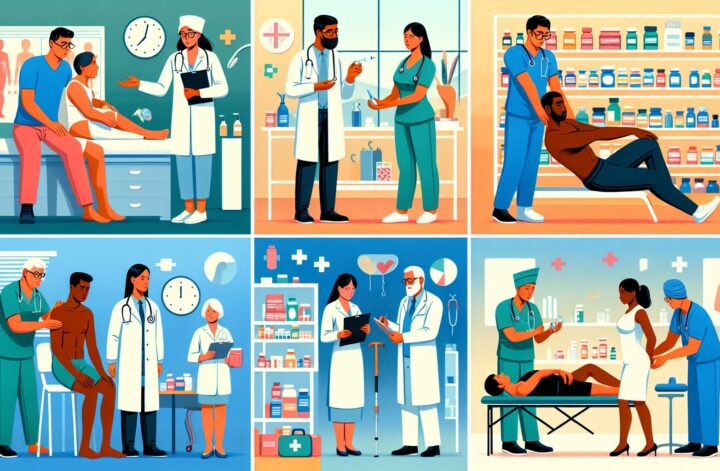
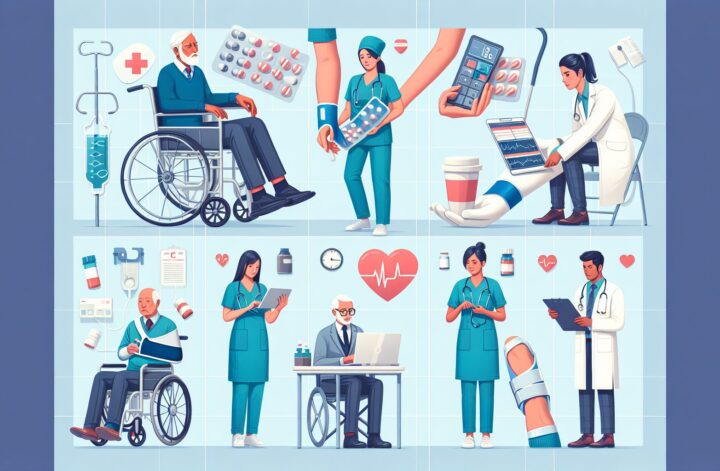
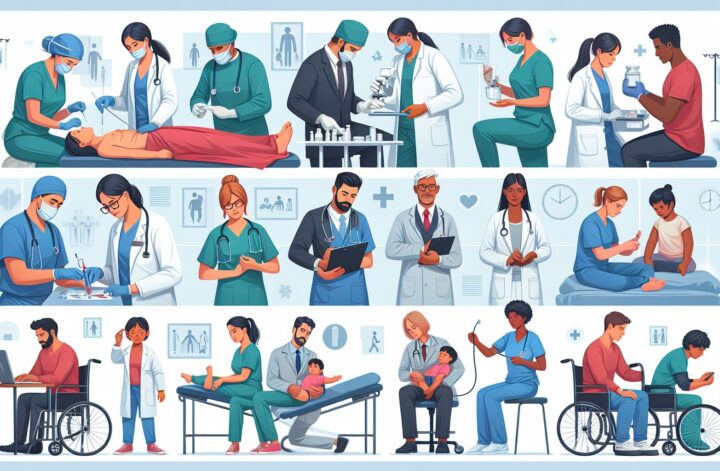
As individuals, we all have unique medical needs that require expert attention from time to time. Fortunately, the healthcare industry has evolved to offer a comprehensive range of medical services tailored to meet these diverse needs. From preventive care to specialized treatments, understanding the various types of medical help available can empower us to make informed healthcare decisions. Let’s take a closer look at some of the different types of medical assistance that you might encounter.
1. Primary Care
Primary care is often your first point of contact with the healthcare system. These medical professionals, such as family doctors, general practitioners, and pediatricians, provide routine check-ups, vaccinations, screenings, and treat common illnesses or injuries. Establishing a relationship with a primary care provider is vital as they oversee your overall health and refer you to specialists if required.
2. Specialists
Specialists are doctors with in-depth knowledge and expertise in specific medical fields. When your primary care provider believes further evaluation or treatment is needed, they may refer you to a specialist. These specialists include cardiologists, endocrinologists, neurologists, therapists, surgeons, and many others. Their specialized knowledge ensures you receive expert care for complex conditions or specific areas of concern.
3. Emergency Care
Accidents and sudden health crises can occur at any time. During emergencies, immediate medical help can make a significant difference in saving lives. Emergency medical services (EMS) provide critical care in urgent situations, offering initial stabilization and transportation to hospitals for further treatment. Remember, emergency care is designed to address life-threatening situations and should not replace regular preventive care.
4. Urgent Care
Urgent care bridges the gap between a primary care office visit and emergency room services. These facilities handle non-life-threatening conditions that require immediate attention but are not severe enough to warrant a visit to the ER. Conditions like sprains, minor fractures, infections, and other illnesses can be treated efficiently at urgent care centers, often without the need for an appointment.
5. Telemedicine
In recent years, telemedicine has gained popularity as a convenient option for medical assistance. By utilizing virtual communication technologies, patients can connect with healthcare professionals remotely. This service is particularly useful for minor illnesses, routine follow-ups, medication management, and mental health consultations. Telemedicine offers convenience, accessibility, and reduces the need for in-person visits.
6. Preventive Care
Preventive care focuses on maintaining your health and preventing the onset of illnesses or detecting them early. Services such as vaccinations, screenings, physical exams, and counseling can help identify risk factors and promote a healthy lifestyle. Regular preventive care visits are crucial for the early detection and successful management of various conditions.
Conclusion
From routine check-ups to specialized treatments, the healthcare system provides a wide array of medical services to cater to our individual needs. By understanding the different types of medical help available, we can navigate the healthcare landscape more effectively. Remember to establish a relationship with a primary care provider and seek their guidance whenever necessary. By taking advantage of the various medical assistance options, we can prioritize our well-being and receive the care we require.