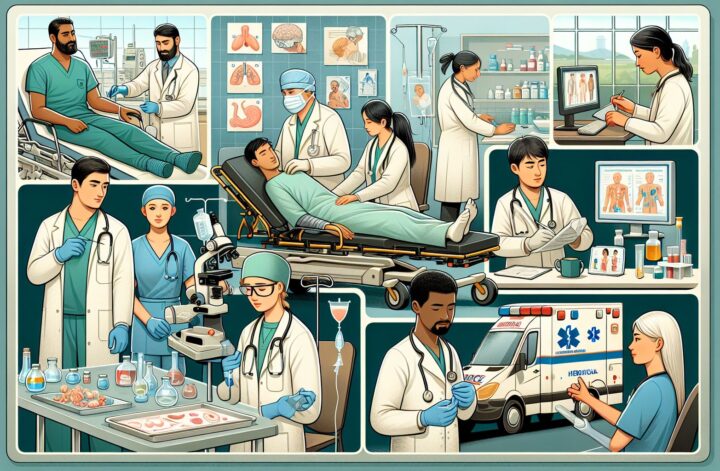
When it comes to our health, we often require various forms of medical help to address our needs. From routine check-ups to emergency situations, there are different types of medical assistance available. Let’s dive into the diverse range of medical help and understand their unique purposes.
Outpatient Care
Starting with the most common form of medical assistance, outpatient care refers to medical services that do not require an overnight stay at a hospital. This includes visits to a primary care physician, specialist consultations, diagnostic tests, vaccinations, and minor surgeries. Outpatient care allows patients to receive necessary treatments while maintaining the comfort of their own homes.
Inpatient Care
In situations where patients require advanced treatment or surgical procedures, inpatient care becomes essential. Inpatient care involves admission to a hospital or a medical facility for an extended duration. This includes surgeries, treatments for serious conditions or injuries, intensive care, and post-operative care. Patients in need of round-the-clock medical attention can benefit from inpatient care.
Emergency Care
When unexpected medical situations arise, such as accidents, severe injuries, or sudden illnesses, we rely on emergency care services. Emergency rooms are equipped to handle critical conditions and provide immediate medical attention to stabilize patients. This includes trauma care, resuscitation, managing acute infections, and other life-threatening situations. Emergency care is available 24/7 and ensures that patients receive prompt treatment during urgent situations.
Telemedicine
In recent years, telemedicine has emerged as a convenient and accessible way of obtaining medical help. This digital form of healthcare allows patients to consult with healthcare professionals remotely through video calls, phone calls, or even online chats. Telemedicine is particularly useful for non-urgent medical conditions, follow-up consultations, medication management, mental health support, and general health advice. This innovative approach saves time, reduces costs, and eliminates geographical barriers.
Rehabilitation Services
After experiencing an injury, illness, or surgery, individuals often require rehabilitation services to recover and regain their independence. Rehabilitation involves various therapies, exercises, and treatments aimed at improving mobility, strength, speech, or cognitive abilities. Rehabilitation services are provided by trained professionals such as physical therapists, occupational therapists, speech therapists, and psychologists. These services are essential for individuals on the path to restoring their optimal functionality.
Home Healthcare
For patients who are recovering from illness or managing chronic conditions, home healthcare becomes an invaluable service. Home healthcare professionals provide medical care, therapy, and assistance with daily activities within the comfort of a patient’s home. This includes wound care, administering medications, physical therapy, and personal care. Home healthcare services offer convenience, personalized attention, and the ability to recover in a familiar environment.
In conclusion, the world of medical help encompasses a wide array of services catering to different needs and situations. Outpatient care, inpatient care, emergency care, telemedicine, rehabilitation services, and home healthcare all play crucial roles in ensuring optimal healthcare delivery. By understanding these different types of medical assistance, individuals can make informed decisions about their own healthcare needs and choose the most appropriate options accordingly. Remember, seeking prompt medical help is vital in maintaining our health and well-being.