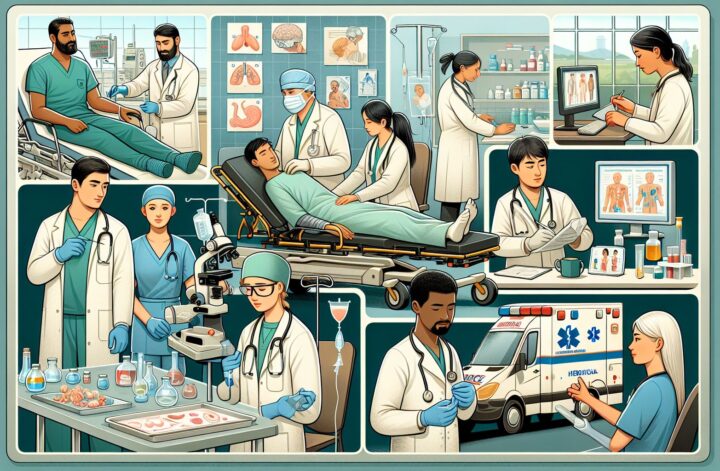
When it comes to seeking medical help, there are various options available to individuals depending on their healthcare needs. From primary care physicians to specialists and emergency services, understanding the different types of medical help can help individuals make informed decisions regarding their healthcare.
Primary Care Physicians:
Primary care physicians serve as the initial point of contact for individuals seeking medical help. They are trained to provide routine check-ups, manage chronic conditions, and offer preventive care. Primary care physicians often refer patients to specialists for more specialized treatment if needed.
Specialists:
Specialists are healthcare providers who have expertise in a specific area of medicine. Examples of specialists include cardiologists, pediatricians, dermatologists, and neurologists. Patients are typically referred to specialists by their primary care physician for more specialized treatment and care.
Urgent Care Clinics:
Urgent care clinics are medical facilities that provide immediate medical attention for non-life-threatening illnesses and injuries. These clinics offer extended hours and can treat a wide range of medical issues, including minor fractures, infections, and burns.
Emergency Services:
Emergency services are medical facilities equipped to handle life-threatening situations that require immediate attention. These facilities are staffed with medical professionals trained to respond to emergencies such as heart attacks, strokes, and severe injuries. It is important to call 911 or go to the nearest emergency room for medical emergencies.
Telemedicine:
Telemedicine is a growing trend in healthcare that allows patients to receive medical advice and treatment remotely through phone calls, video chats, or mobile apps. This type of medical help is convenient for individuals who may not be able to visit a doctor in person.
Mental Health Services:
Mental health services include therapy, counseling, and psychiatric care for individuals experiencing mental health issues such as anxiety, depression, and PTSD. Mental health professionals, such as therapists and psychiatrists, can provide support and treatment for mental health conditions.
In conclusion, there are various types of medical help available to individuals depending on their healthcare needs. From primary care physicians to specialists, urgent care clinics, emergency services, telemedicine, and mental health services, individuals have access to a wide range of healthcare options. It is important for individuals to seek appropriate medical help when needed and to work closely with healthcare providers to address their healthcare needs effectively.