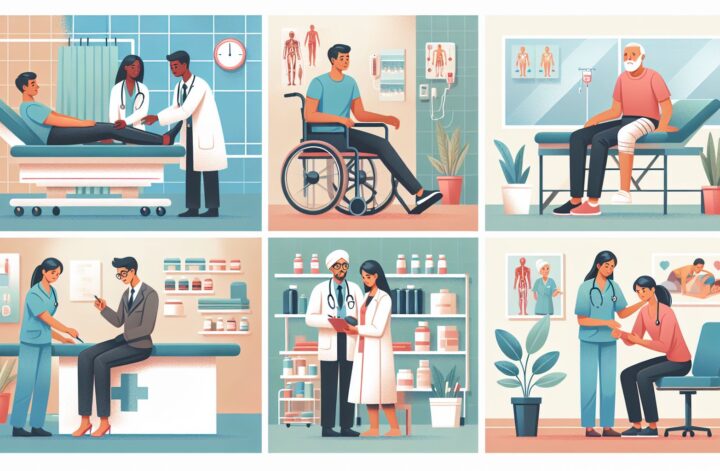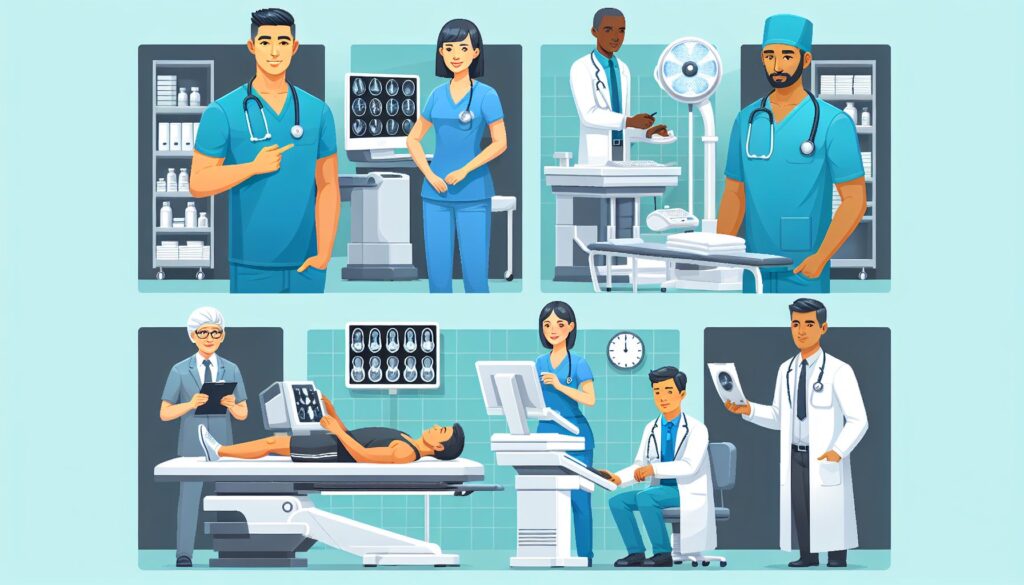
When it comes to seeking medical assistance, it’s important to understand the various options available. From primary care physicians to specialists, urgent care to emergency rooms, the healthcare system offers a wide range of services to meet the needs of patients. Each type of medical help serves a different purpose, and it’s essential to know when to seek each one.
Primary Care Physicians
Primary care physicians, also known as general practitioners or family doctors, are typically the first point of contact for patients seeking medical care. They are trained to diagnose and treat a wide variety of health issues, as well as provide preventive care such as vaccinations and health screenings. Primary care physicians can help manage chronic conditions, offer referrals to specialists, and coordinate care for overall health and wellness.
Specialists
Specialists are physicians who have undergone additional training in a specific area of medicine. They have expertise in diagnosing and treating complex medical conditions, often focusing on a specific organ system or disease. Patients may be referred to specialists by their primary care physician for further evaluation and treatment. Examples of specialists include cardiologists, oncologists, neurologists, and orthopedic surgeons.
Urgent Care
Urgent care centers provide medical services for non-life-threatening illnesses and injuries that require immediate attention but are not severe enough to warrant a trip to the emergency room. These facilities typically have extended hours and can address conditions such as fevers, minor fractures, and infections. Urgent care centers are a convenient option for patients who need prompt treatment for their symptoms.
Emergency Rooms
Emergency rooms are designed to provide care for patients with serious or life-threatening medical conditions. These facilities are staffed with physicians, nurses, and other healthcare professionals who are trained to handle medical emergencies. Patients experiencing chest pain, severe injuries, or sudden changes in mental status should seek care in an emergency room. Emergency rooms are equipped to perform diagnostic tests, provide treatment, and stabilize patients in critical condition.
In conclusion, understanding the different types of medical help available can help patients navigate the healthcare system more effectively. Primary care physicians offer comprehensive care for a wide range of health issues, while specialists provide expertise in specific areas of medicine. Urgent care centers offer convenience for non-emergent medical issues, while emergency rooms are reserved for serious and life-threatening conditions. By knowing when to seek each type of medical help, patients can receive timely and appropriate care for their health needs.