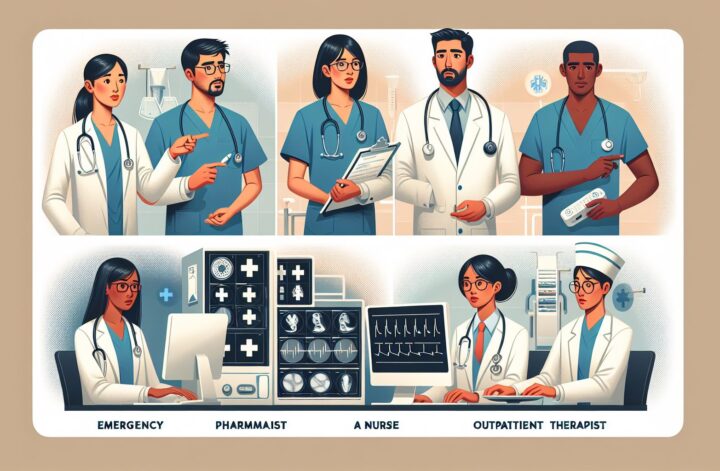
Medical emergencies can occur suddenly and unexpectedly, leaving us in a state of panic. In such situations, it is essential to be aware of the different types of medical help available to us, ensuring we receive the appropriate care in a timely manner. This comprehensive guide aims to shed light on the various forms of medical assistance so that you can make informed decisions during emergencies and everyday health concerns.
1. Emergency Room (ER) Care
Emergency rooms are designed to handle critical and life-threatening conditions requiring immediate medical attention. Typically found in hospitals, ERs are equipped with the necessary staff, resources, and expertise to provide urgent care 24/7. Common examples of emergencies that warrant ER visits include severe injuries, heart attacks, strokes, and breathing difficulties. It is vital to call an ambulance or rush to the nearest ER when faced with such life-threatening situations.
2. Urgent Care
Urgent care centers bridge the gap between primary care physicians and emergency rooms. They cater to non-life-threatening conditions that require prompt attention. These facilities are often open outside regular office hours, offering a convenient alternative to handling urgent healthcare needs. Examples of ailments commonly treated at urgent care centers include minor fractures, fever, flu symptoms, minor burns, and infections. While urgent care centers can perform some tests and provide immediate treatment, they might need to refer patients to specialized facilities or hospitals for further evaluation or management.
3. Primary Care Physicians
Primary care physicians (PCPs) are medical professionals who provide comprehensive and ongoing healthcare services. Typically, they are the first point of contact for individuals seeking medical assistance. PCPs have a broad understanding of various health conditions and can diagnose, treat, and manage a wide range of ailments. They also offer preventive care, routine check-ups, vaccinations, and health screenings. Establishing a rapport with a PCP can ensure continuity of care and personalized assistance for all your non-urgent medical needs.
4. Specialists
Specialists are doctors who have received further training and education in specific areas of medicine. They focus on a particular branch of healthcare and treat conditions related to their specialization. Some examples of medical specialists include cardiologists, dermatologists, neurologists, endocrinologists, and orthopedic surgeons. Individuals suffering from chronic conditions or ailments requiring specialized care may be referred to a specialist by their PCP. Specialists bring advanced knowledge and expertise to the table, ensuring patients receive tailored treatment plans.
5. Telemedicine
With advancements in technology, telemedicine has become increasingly popular. It allows patients to consult with healthcare professionals remotely, using video calls and phone conversations. Telemedicine provides convenience and accessibility, particularly for minor illnesses, routine follow-ups, and general medical advice. However, it is essential to note that telemedicine is not suitable for all conditions, and certain medical concerns may require in-person visits for accurate assessment and diagnosis.
In conclusion, understanding the different types of medical help available is crucial for making the right decisions regarding our health. The emergency room is reserved for life-threatening situations, while urgent care centers address non-life-threatening urgent issues. Establishing a relationship with a primary care physician ensures comprehensive and ongoing care, while specialists provide expertise in specific medical fields. Telemedicine offers convenience for minor ailments and routine follow-ups. By being aware of these various options, we can navigate the healthcare system more effectively and receive the appropriate care for our specific needs. Stay informed, stay healthy!